
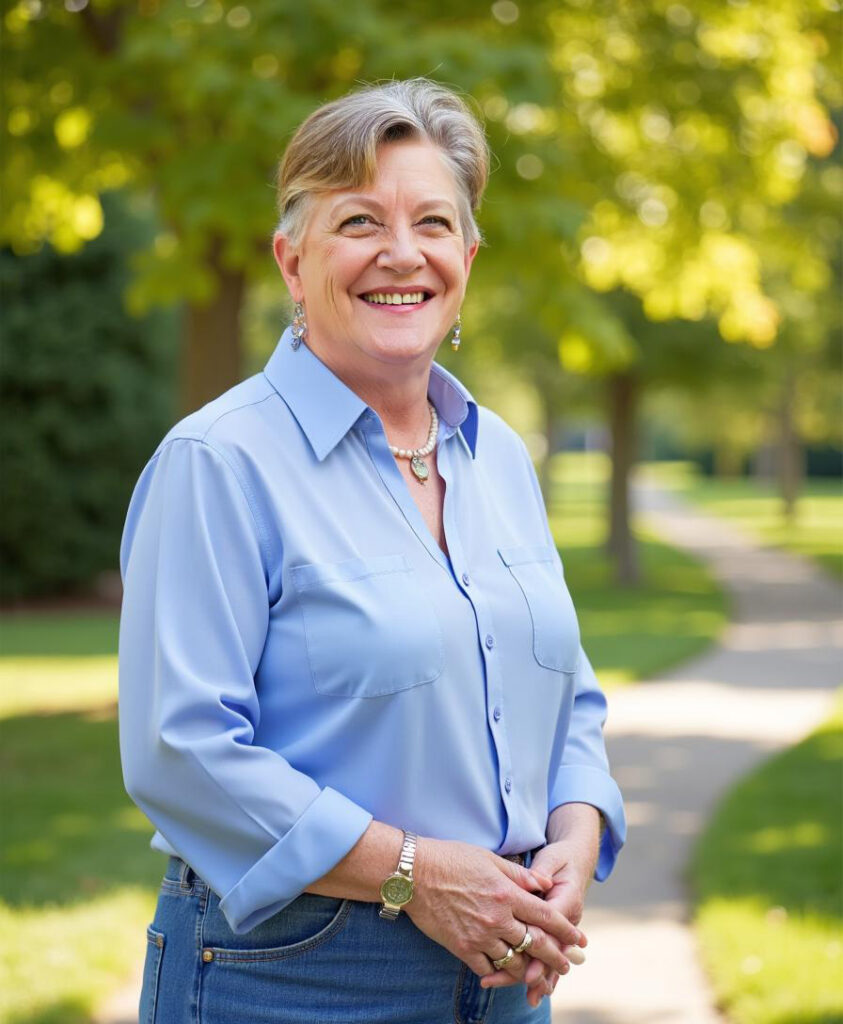
Ranch Manager

My daughter, Elizabeth, and I moved up to the family ranch in December, 1997. At the time it was a retreat from Los Angeles rather than a long-term plan. But I’m still here, years later! In fact, I’ve now lived on the ranch longer than I have lived in any other house or city in my entire life!

About The Chandler Family Ranch, LLC

“The Ranch,” as it has been called all my life, is located in southwestern Oregon. If you look at a map of Oregon, you’ll see in the southwest corner there is an area where there is nothing – no towns, no roads that show up on a state-level map – that’s where the ranch is. It’s actually about 65 miles north of the California border and about 10 miles inland from the coast. (Of course, you can’t get directly to either of those places.)

Chandler Ranch - Charlie Rock

Charlie Rock (see below for details)

Most of the land was homesteaded by my great-grandfather, his children and their families in the early 1900′s. My great-grandfather consolidated some of the parcels when his children moved away and when he died in the 1940′s, my grandfather purchased back shares from his siblings. Over the years after that he purchased a few more parcels bringing the total to about 1320 acres. My father was an only child, so the land ultimately passed to my brother, two sisters and me. It’s now co-owned by my sister, Jonellen, her daughter, Roxanne, and Roxanne’s daughter, Riley, Jonellen’s two grand-daughters by her deceased daughter, my daughter, Elizabeth and me. Now it’s six women ranging from age 15 to age 76!

My great-grandfather raised hay and sheep and had a blacksmith shop. He was also a Dunkard Minister, but that’s another story. My grandfather raised sheep and cattle. By the mid-1960′s the primary use of the land was for timber.

My main job, as the Ranch Manager, is to make sure the place is safe, secure, roads and such are maintained and, primarily, to see that the necessary logging occurs so we can pay the taxes and take care of things.

We’re very blessed in that we don’t have to try to maintain an industrial forestry standard. We’re able to keep the land diverse, managing for forestry, wildlife, recreation and preservation. Above all, the ranch is the place where any family member can go to get away, regroup or just vacation away from the hustle and bustle of life.

Forest Management

Since taking over management of the ranch, I have learned an incredible amount about forest management. There is a wide range of assistance – technical, financial, and even production – available to private landowners. With the help of a Jennifer, a wonderful forester working for the Oregon Department of Forestry, I completed a full stewardship plan for our property last year. It covers about 20 different factors that affect how the land is managed (geology, water sources, archealogical issues, recreational use, wildlife, threatened or endangered species, roads, and more). We defined 19 different management areas, each with specific goals. Some areas are for logging, but other areas are set aside for recreation or, one of my favorites, elk habitat.

We do clear-cut the land that is logged for timber – meaning that everything is cut down. Then the following winter (or sometimes two winters later) we go back an plant trees. The Oregon state law requires that all land logged be replanted and managed so there are at least 200 trees that are “free to grow” (meaning they won’t be killed off by brush or other fast growing plants shading them out). We usually plant 350 trees per acre. From 2003 to 2010, we planted close to 100,000 trees!

Wildlife Management

We have been working on wildlife management along with everything else. We’re on Dement Creek, just about at the end of the salmon run. Almost 2 miles of creek runs through our property. Several years ago we completed a large project to put big wood back into the creek, for salmon habitat.

Fish and Wildlife specialists have recently discovered that the earlier practices of cleaning out the creeks and rivers was pretty, but not good for the fish. If the mommies don’t have sandy creek bottom they won’t lay eggs and if the babies don’t have deeper pools and places to get out of the sun or fast-flowing water, then they have a much harder time of it. So, in conjunction with the Coquille Watershed, Oregon Department of Fish and Wildlife and a number of other private agencies providing funds, several years ago we put lots of logs and boulders in the creek bed. It’s not as pretty, but there were lots more salmon spawning this last spring, and there are plenty of places for the babies to be safe and grow before they make the trek back to the ocean.

We also have about 60 acres of “oak savannah” on our property. This type of environment is fairly rare in our area, and is of concern all over the state where open grassy oak areas have been either planted in timber or fallen into development (particularly around cities). The habitat is important for elk and deer as they typically use the grasslands for bedding down, having babies and protecting the young. The oaks are also an important food source for elk, deer and many small animals.

In a truly natural situation, oak savannahs are preserved by fire. The fire burns the grasses and incroaching evergreens, but doesn’t get hot enough to harm the oaks. That keeps the grasses controlled and the evergreens from being able to grow big enough to overshadow and force out the oaks. However, forest fires of any kind (natural or not) are highly frowned upon these days. Even the risk of a controlled broadcast burn is too high for most people. As a result, evergreens are forcing out the oaks in many savannahs, including ours. We now have a project in the planning stages to restore our oak savannah by clearing out the evergreens and then planting more oaks and grasses where needed.

Taking care of the ranch is an ongoing process – both of learning what should be done and actually doing the work. I do enjoy it and hope that one of the younger family members will be up to the task of taking it over when the time comes.

About the Picture

The picture above is a view of a portion of our ranch – most of what you can see is owned by us. It gives a little feel of the place – it’s rugged, steep and covered with all sorts of trees.

The large rock, named Charlie Rock, is about 200 feet on the steep side. It’s named after my grandfather, Charlie, who, at age 70 walked three miles in the dark in the rain and then climbed up the back side to the top to look for cedar poachers. He fell and died that night in 1965. It took the search party 2 days to find the body (which they were only able to do because one of the dogs came out from under the brush).

So no it’s Charlie Rock in his memory and we have a standing policy that no one goes on walkabout without telling someone where they are going.

Comments are closed.