
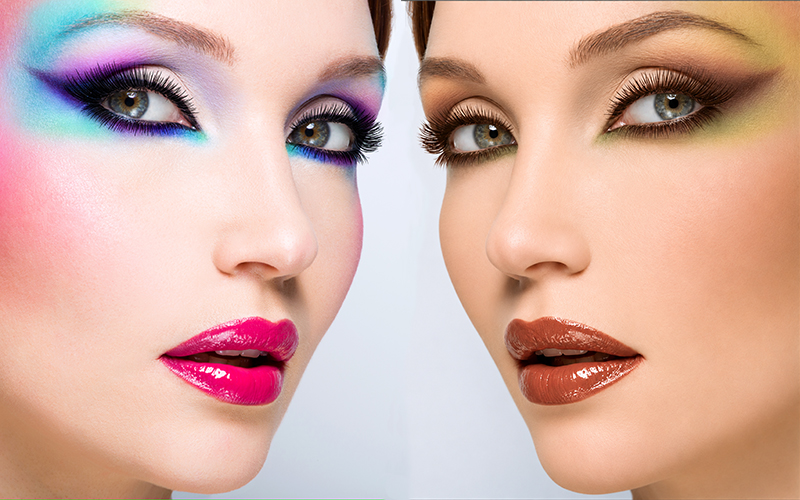
There’s a new bill in Congress that would affect colors allowed cosmetic makers. It’s not likely to pass, but I’m just letting you know because … that’s what I do!
The bill is the “Eliminating Dangerous Color Additives Act” (H.R. 10936). It was introduced in the House on October 29, 2026, by Rep. Nancy Mace (R-SC).
What it proposes is to disallow the use of certified colors (those are the FD&C or D&C dyes) in food, drugs, devices, and cosmetics. Before you start worrying about your lipstick shades … it’s very unlikely to go anywhere. But it’s out there, and I think you should know about it.
A Little Background
Over the last few years there’s been a steady push to get synthetic colors out of food (and some push for drugs and medical devices as well). So far it’s made good headway, mostly through voluntary changes by manufacturers. There have also been some state laws proposed.
Up until now, though, cosmetics haven’t really been part of that conversation. This bill changes that.
What the Bill Says
The bill is really short (barely a page). You can read it here.
It basically does two things:
- Prohibits the use of certified colors in food, drugs, devices, and cosmetics, effective two years after it becomes law.
- Requires the FDA to report back to Congress on how reformulation is going, what regulations changed, and whether Congress needs to do anything more, within three years.
What It Would Mean for Cosmetic Makers
If this passed, it would affect pretty much every cosmetic maker who uses those colors.
If you make colored products, you probably know that it’s really hard to get truly vibrant colors from natural (or natural-ish) colorants. The certified colors are how you get the bright red, pink, orange, green, yellow, purple and blue. Especially red. Many of the “colored micas” that make those truly wonderful colors rely on some certified color dye.
Take the certified colors away and what’s left are the colors exempt from certification. For most makers, that means ultramarines, iron oxides, manganese violet and a few greens. That’s about it. And none of them make vibrant colors.
That would hit nearly every type of makeup out there: lipsticks, eye shadows, blushes, nail polish.
A Quick Note About Soap
If you make true soap (non-cosmetic soap), you can relax. True soap isn’t regulated by FDA as a cosmetic, so the color additive rules don’t apply to it now, and this bill wouldn’t change that.
But if your soap is a cosmetic (because of how it’s made or what you say about it), it’s in the same boat as everything else.
Why It’s Unlikely to Go Anywhere
Here’s the good news. I don’t expect this bill to get very far, for a few reasons.
It’s in committee. It was referred to the House Committee on Energy and Commerce. That’s where most bills go to die.
The clock is running out. A bill that doesn’t pass before the end of a Congress dies with it. The current Congress ends in early January 2027, so this one has about two months. To have any real chance, it would have to be reintroduced next session and start over.
Industry will push back. Hard. Nearly every type of makeup on the market uses certified colors. The big cosmetic companies have a lot riding on them (and a lot of lobbying power).
There’s no real replacement. Two years isn’t much time to reformulate entire product lines when the alternatives can’t reach the same shades.
People like vibrant makeup colors. It will be a hard sell to get people to give up their rosy blush, bright green, blue or purple eye shadow and, above all, red lipstick.
So What Should You Do?
Nothing, really. No need to toss your colorants or start reformulating.
I just think it’s worth knowing that it’s out there, and that the conversation about synthetic colors has now reached cosmetics. Even if this bill goes nowhere, the idea may well come back. But even so, it will be years before anything goes into effect.
I’ll keep an eye on it and let you know if anything changes.
Leave a Reply