
Helping you understand soap and cosmetic regulations — in plain English.
Category: Regulations & Compliance
The various laws and rules that apply to your products and business.
-
FDA & Social Media
NOTE: This post is not specifically about handcrafted soap and cosmetics, but more about FDA enforcement generally. The Food Drug and Cosmetic Act defines the “label” as the written printed or graphic matter on the immediate container of a product and, and defines “labeling” as all written, printed, or graphic matter accompanying an article at
-
FDA Site Update
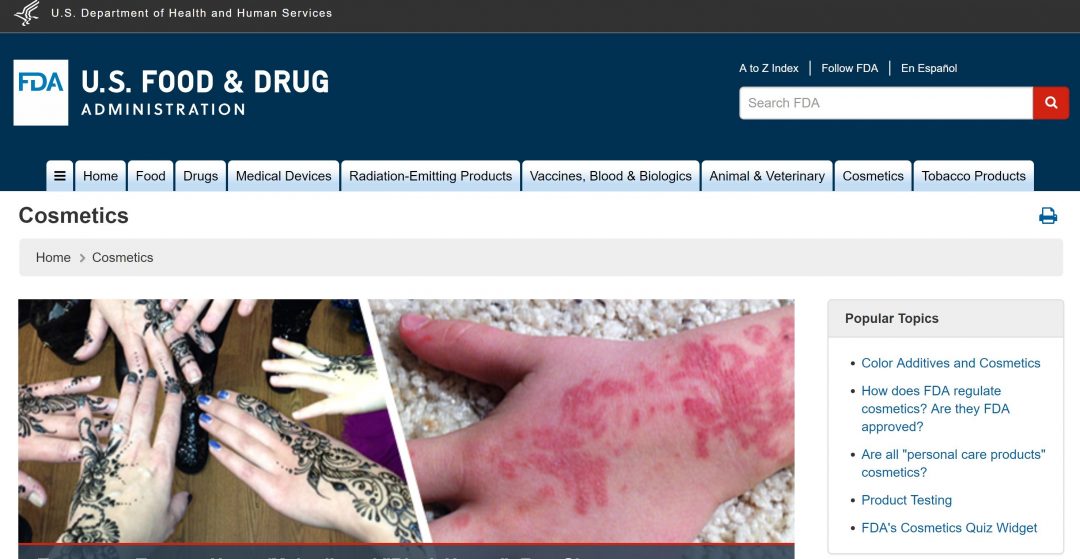
If you’ve gone to the FDA website in the past week or so, you probably noticed that their website has been updated and now looks completely different. According to their website, they are changing over to a new “more modern” WCMS (Website Content Management System), the biggest benefit of which is that it will be
-
FDA Warning Letters Over CBD
Three FDA warning letters issued in the past week have been concerning products containing CBD. Looks like they are starting enforcement activities in this area. All three of the warning letters (to PotNetwork Holdings, Advanced Spine and Pain, and Nutra Pure) cited similar violations. Drug Claims Claims that the product would treat or mitigate various
-
What about CBD Oil?
CBD is short for cannabidiol, one of the many compounds found in the cannibis plant. It is non-intoxicating, but many claim it has significant physical benefits. “Hemp” and “marijuana” have been lumped into the same category since the 1937 Marijuana Tax Act and the 1970 Controlled Substances act. However, in December the 2018 Farm Bill
-
Certificate of Free Sale
A Certificate of Free Sale is a document that provides proof that a product is being freely and legally sold without restriction. It is sometimes also called a “Certificate for Export” or “Certificate to Foreign Governments.” When Is a Certificate of Free Sale Needed? A Certificate of Free Sale is needed if you are exporting
-
Why is Regulatory Compliance Important?
When looking at the minutiae of labeling a soap or cosmetic product, it’s easy to forget the big picture. Why are all these regulations in place? Why is it important to comply with them? Why Are There Regulations At All? In the USA, regulations are the rules that are put in place to implement the
-

Making Cosmetics in Nevada (Archived)
Nevada is one of the states that requires cosmetic manufacturers to register, get inspected and pay fees.
-
California Cosmetic Regulations Updated
Two bills concerning cosmetic manufacturing in California have been working their way through the legislative process. California Governor Jerry Brown signed AB 2775 on Sept 14th, 2018, and SB 1249 went to the Governor on September 12th. What does it mean for handcrafted cosmetics? AB 2775 – Professional Cosmetic Labeling California AB-2775 requires that all cosmetics
-
Making Cosmetics in Connecticut
Connecticut requires that Cosmetic Manufacturers get licensed. Licensing requires an inspection that is primarily focused on Good Manufacturing Practices.
-
If One, Then All?
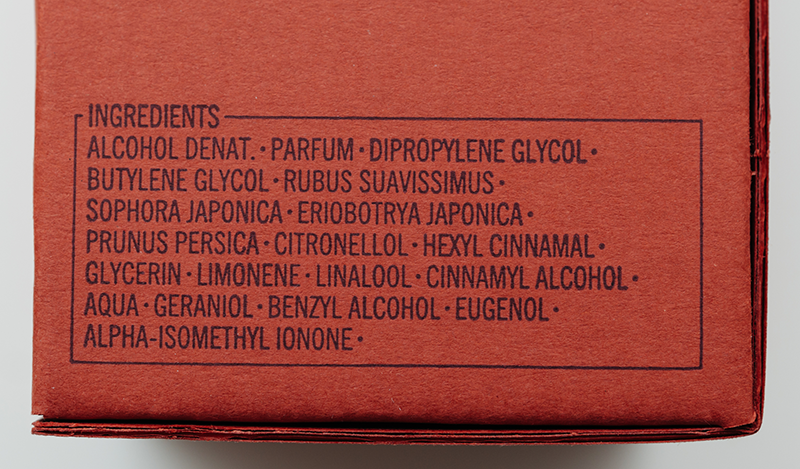
“If you put one ingredient on your soap label, you have to list them all” is an idea is being bandied around a lot lately. But is it true? As with most questions about legal stuff and regulations, yes… and no. Cosmetics If the product is a cosmetic, then the answer is a resounding YES.
-

Natural Colorants for Soap & Cosmetics
“Natural colorants” usually means ingredients such as herbs and spices that will change the color of your product. But are they legal?
-
Another FDA Warning Letter
The FDA just (July 2017) published a warning letter to a cosmetic manufacturer in St. Louis. Once again, the FDA reviewed the website and cited drug claims: “…the claims on your website establish that the products are drugs under the … Food Drug and Cosmetic Act … because they are intended for use in the