Helping you understand soap and cosmetic regulations — in plain English.

Hi, I’m Marie Gale.
For over 15 years I’ve been researching and following the world of laws, regulations, standards and guidelines for the handcrafted soap and cosmetic industry. What started as a personal quest to understand soap and cosmetic labeling for my own products has grown into a deep understanding of the myriad of requirements that handcrafted soap and cosmetics makers are subject to.
My personal passion to assist others to understand and follow the labeling and other requirements grew out of all that research. If I had my way, no handcrafter would ever experience the stress and heartache of unwittingly running afoul of the the laws and regulations.
There is peace of mind in knowing that you are compliant with the applicable regulations. I’m here to help you achieve that stress-free relationship with your products and your business.
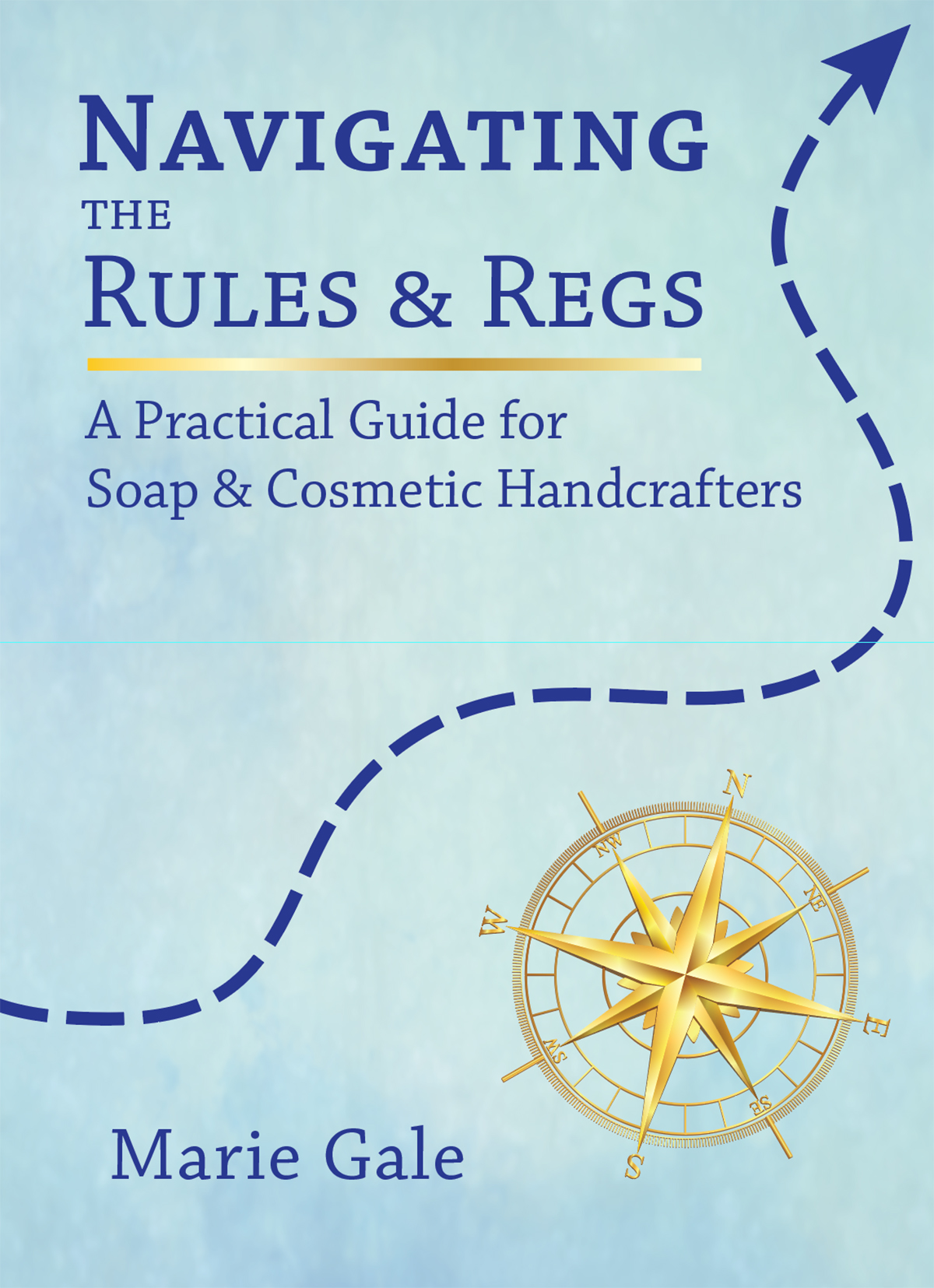
Whether you know it or not, you’ve been an invaluable resource for me throughout our years in business as I’ve relied on your many books whenever I have questions. I’ve recently purchased “Navigating the Rules & Regulations” and am going through it with tabs & a highlighter and am learning more than I ever expected. — Julia
Latest blog articles
-
FDA Issues Warnings To Skin Peel Companies
FDA has issued warning letters to four cosmetic companies, as well as Wal-Mart and Amazon, for skin peel products that are unapproved new drugs.
-
MoCRA Update – July 2024
It’s been a year and a half since the Modernization of Cosmetic Regulations Act of 2022 (MoCRA) was passed. Let’s see where things stand!
-
FDA Updates Cosmetic Direct
The FDA announced today that they have added two new features to Cosmetics Direct, the portal for registering cosmetic facilities and listing cosmetic products
-

-
FTC Updates “Made in the USA” Info
The FTC just updated the information on their website about the “Made in the USA” standard. Now it’s a little clearer to understand, without having to go to the actual regulations.
-
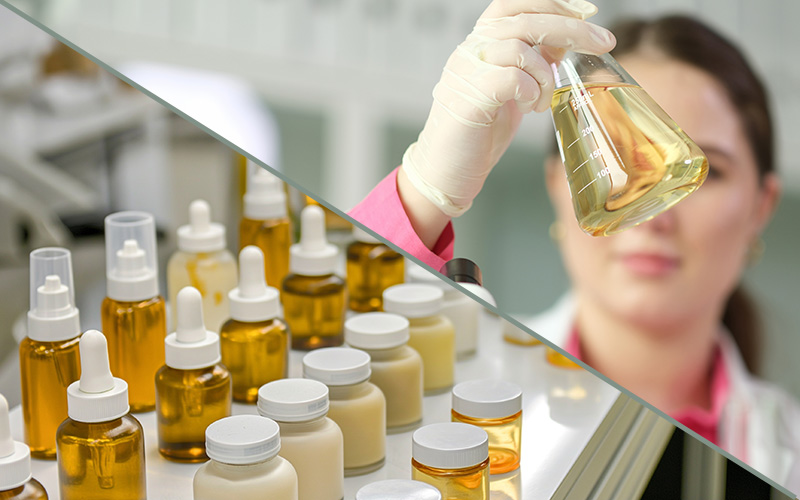
R & D vs. Production
Researching and developing products and making products for sale both involve MAKING products, but they are two very different things.
-
Canadian Cosmetic Regs Updated
The Canadian cosmetic regulations were update on April 12, 2024. The biggest change is listing of fragrance allergens. The new regs go into effect over the next 6 to 24 months.
-

Real Life Advertising Content
“Real life advertising content” is the holy grail when it comes to promoting your products. After all, what’s better than someone singing the praises your product and posting it on social media! However, there are a few legal points to keep in mind.
-
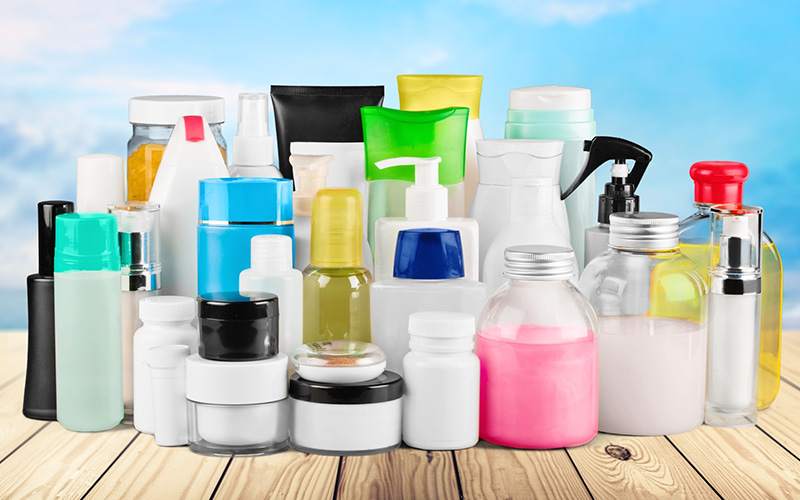
Extended Producer Responsibility
“Extended Producer Responsibility” refers to a new(ish) movement to shift responsibility for the cost of recycling to producers rather than consumers. California, Colorado, Oregon, and Maine have already enacted EPR Laws
-
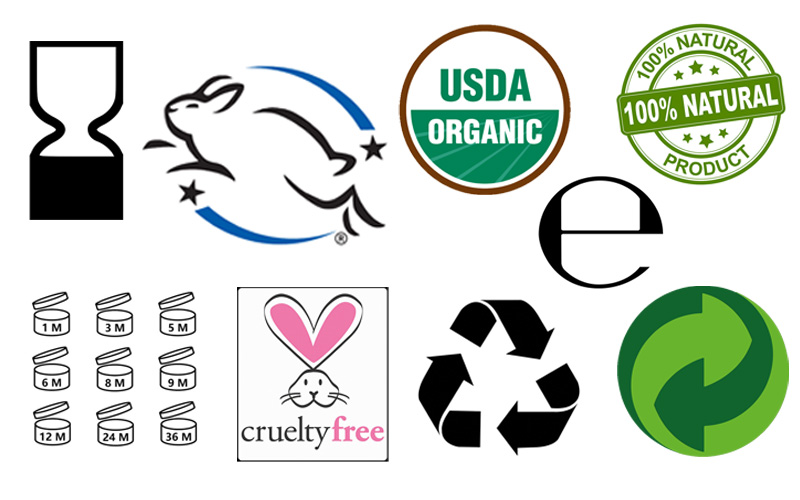
Symbols on Cosmetic Labels
Some symbols on cosmetic logos have specific (and legal) requirements. Before putting a symbol on your product, make sure you know what a symbol means (and that you’ve paid if required).
-
Talc and MoCRA
MoCRA included a requirement for the FDA to create regulations to for testing methods to detect and identify asbestos in talc-containing products by 29 December 2023. That didn’t happen.
-
Certified Color Additives
Certified color additives are colors additives that the FDA checks and certifies before they can be sold. In fact, they are the only products that the FDA lab tests and certifies before they caan be used or sold.
Books