Helping you understand soap and cosmetic regulations — in plain English.

Hi, I’m Marie Gale.
For over 15 years I’ve been researching and following the world of laws, regulations, standards and guidelines for the handcrafted soap and cosmetic industry. What started as a personal quest to understand soap and cosmetic labeling for my own products has grown into a deep understanding of the myriad of requirements that handcrafted soap and cosmetics makers are subject to.
My personal passion to assist others to understand and follow the labeling and other requirements grew out of all that research. If I had my way, no handcrafter would ever experience the stress and heartache of unwittingly running afoul of the the laws and regulations.
There is peace of mind in knowing that you are compliant with the applicable regulations. I’m here to help you achieve that stress-free relationship with your products and your business.
Whether you know it or not, you’ve been an invaluable resource for me throughout our years in business as I’ve relied on your many books whenever I have questions. I’ve recently purchased “Navigating the Rules & Regulations” and am going through it with tabs & a highlighter and am learning more than I ever expected. — Julia
Latest blog articles
-

Label Design: Your Ideal Customer
When designing a label and marketing a product, most makers focus first on the required information, layout, and colors. If you stop there, you may miss the most important question: who is this product for?
-
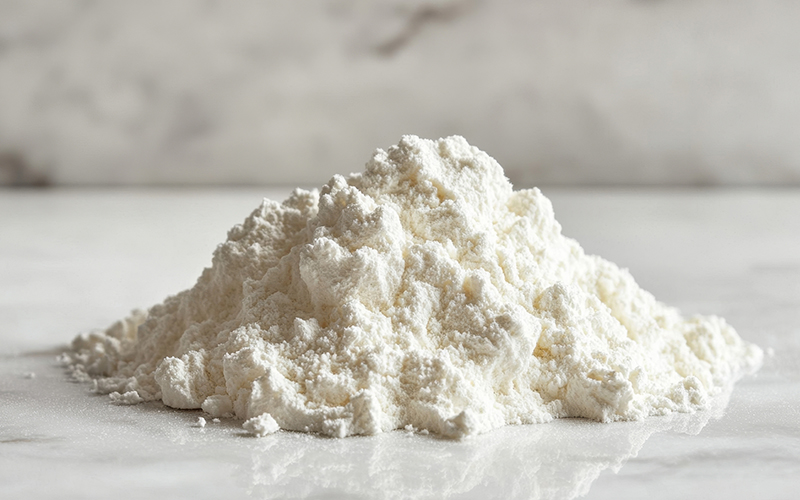
Titanium Dioxide: Safe or Not?
Titanium dioxide is one of those ingredients that nearly every soap and cosmetic maker has encountered. It’s been the subject of some controversy lately, so let’s take a closer look at it.
-
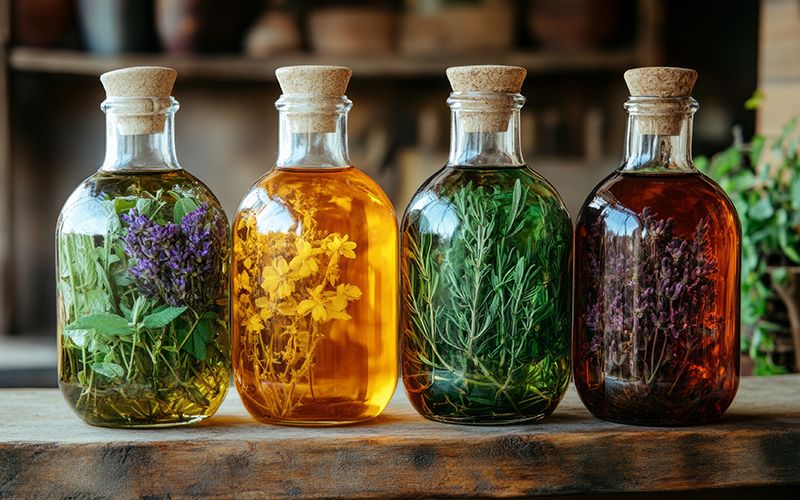
Ingredient Declaration: Infusions, Teas & Extracts
Infusions, teas, and extracts are a common component of many soap and cosmetic formulations, but where do they go in the ingredient declaration and how are they listed?
-
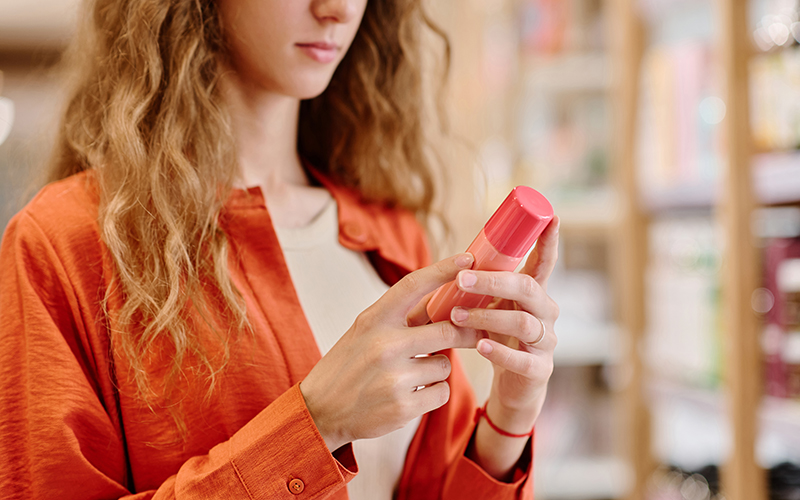
Label Design: The Sales Pitch
When you design a soap or cosmetic label, you’re juggling a lot of legal “must-haves.” But after that, there should still be room for a sales pitch right on the label.
-
Understanding IFRA Standards
If you make fragranced soap or cosmetic products, you’ve probably bumped into “IFRA Standards.” Let’s dig into what they are and how to check compliance.
-
Ingredient Declaration: Color Additives
The alternate order of the ingredient declaration is easier for color additives But what can be considered a color additive, and how should it be named?
-
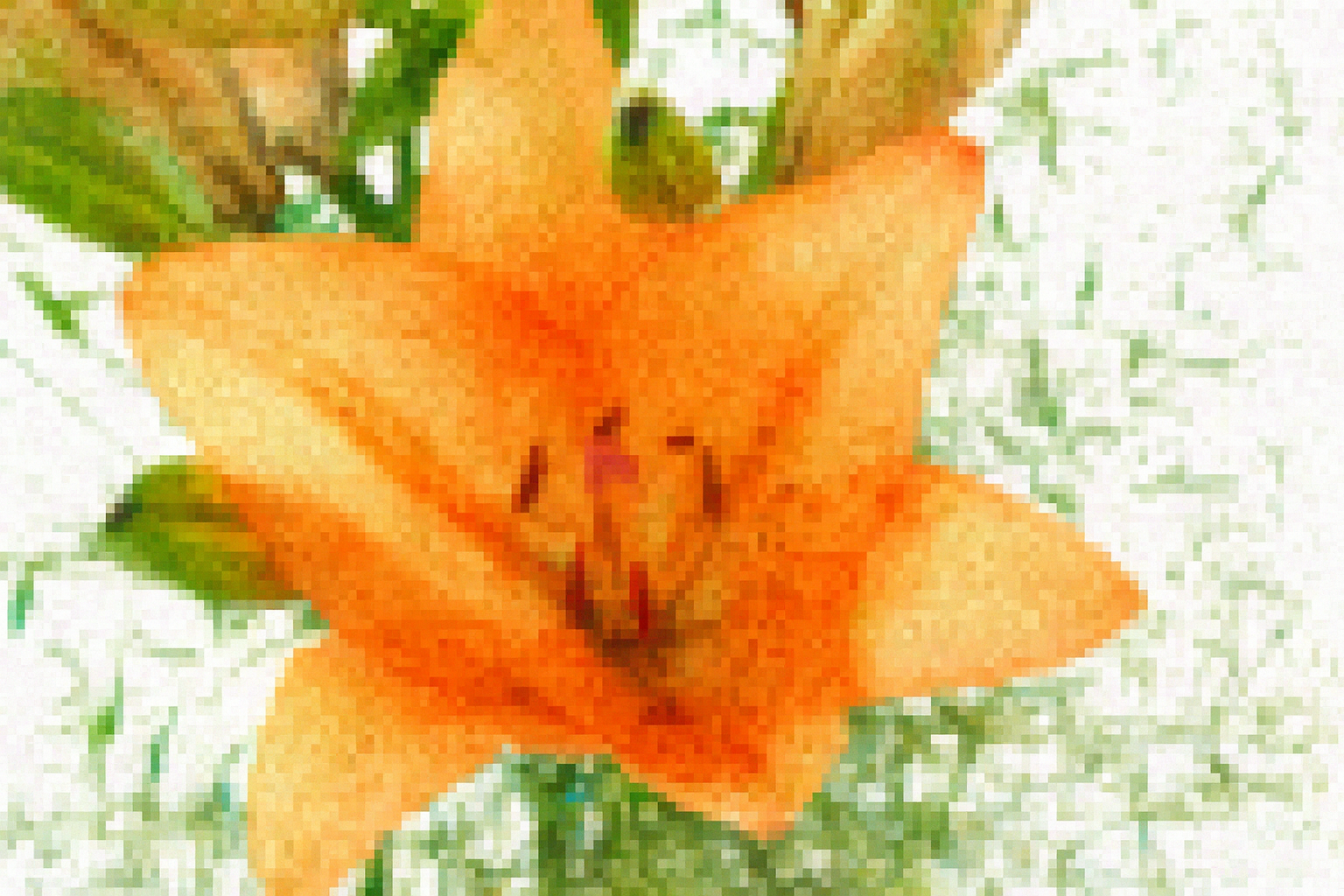
Label Design: Do Your Images Work?
Have you ever tried to use a web image on your label but printed too big or too small, or was fuzzy or pixelated? Here’s why.
-

Cruelty-Free Logos
When you walk down the cosmetics aisle, it’s hard to miss all the little bunny logos and “cruelty-free” icons on labels. But not every bunny logo means what you might think it does.
-
Ingredient Declaration: Clays
Clays are one of the oldest beauty ingredients in the world. But names like French Pink Clay, Brazilian Yellow Clay, and Cambrian Blue Clay, don’t tell what to put in the ingredient declaration.
-
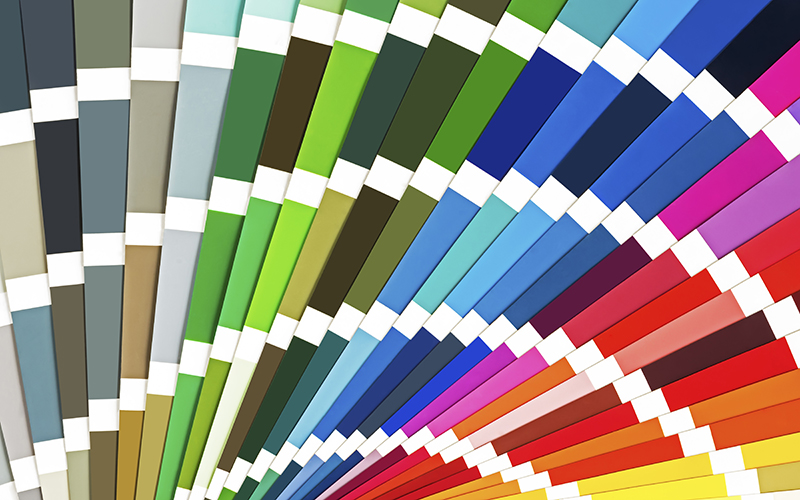
Label Design: The Emotions of Colors
For cosmetics, label design isn’t just about holding the product—it’s about telling a story before the customer even opens the box or unscrews the cap. Colors can influence buying decisions and even communicate what your product promises to deliver.
-
State-by-State Banned Ingredients
Several states have banned some chemicals from cosmetic products and more have legislation in the works.
-
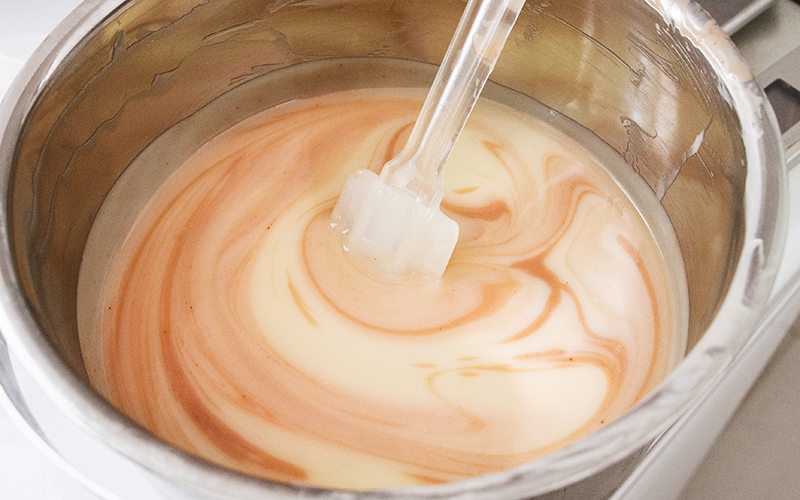
Ingredient Declaration: Blended Ingredients
Blended ingredients contain components that need to be added to your ingredient declaration individually.
Books