

Hi, I’m Marie Gale.
For over 20 years I’ve been researching and following the world of laws, regulations, standards and guidelines for the handcrafted soap and cosmetic industry. What started as a personal quest to understand soap and cosmetic labeling for my own products has grown into a deep understanding of the myriad of requirements that handcrafted soap and cosmetics makers are subject to.
My personal passion to assist others to understand and follow the labeling and other requirements grew out of all that research. If I had my way, no handcrafter would ever experience the stress and heartache of unwittingly running afoul of the the laws and regulations.
There is peace of mind in knowing that you are compliant with the applicable regulations. That’s what this blog has always been about, and that isn’t changing.
Compliance Advisor
Finding ways to help others easily and affordably is also why I built Compliance Advisor.
That’s where I’ve put what I know into tools you can use any time: a label check, a fragrance allergen checker and an ingredient declaration builder. Subscribers also get Ask Marie for the questions the tools don’t cover, monthly Office Hours with me on Zoom, and a library of past calls, worksheets and reference material. It’s also where you’ll find a Label Quick Check, details on my consulting, and the free MoCRA Wizard.
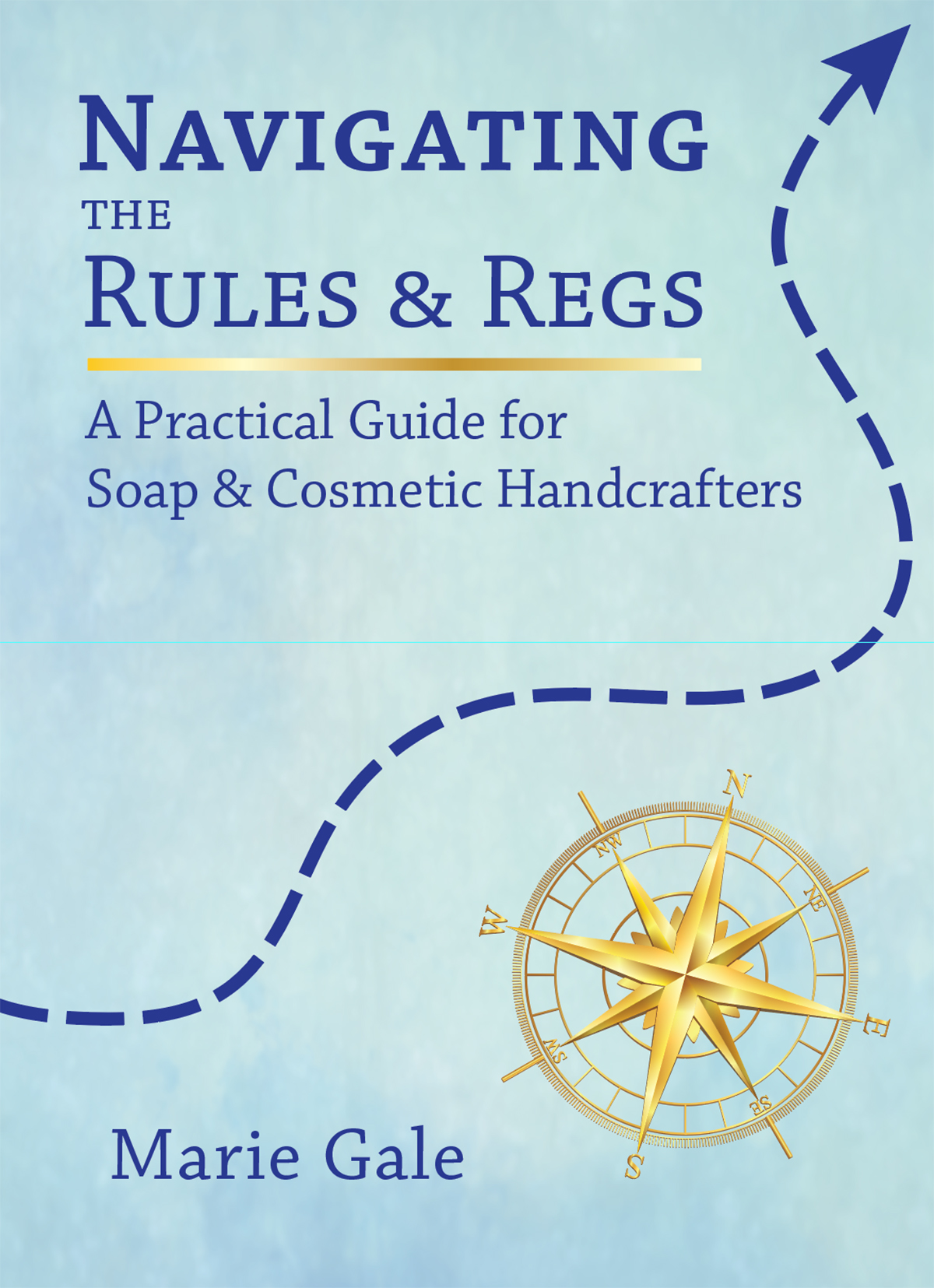
Whether you know it or not, you’ve been an invaluable resource for me throughout our years in business as I’ve relied on your many books whenever I have questions. I’ve recently purchased “Navigating the Rules & Regulations” and am going through it with tabs & a highlighter and am learning more than I ever expected. — Julia
Latest blog articles
-
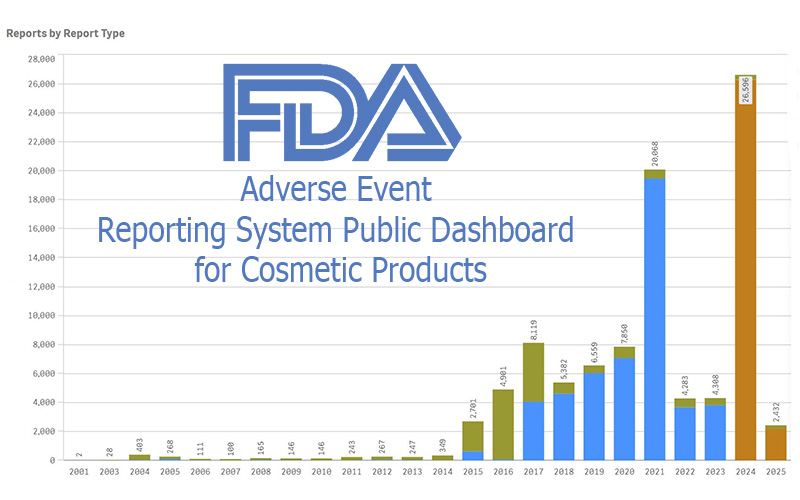
FDA Cosmetics Adverse Event Dashboard
FDA just switched on a live, public cosmetics adverse-event dashboard—big on transparency, light on verification. Here’s how it could help (or hurt) small makers.
-

On the Label: Business Name & Address
Putting your business name and address on the label isn’t just a formality—it’s a legal requirement and a mark of accountability on every product you sell.
-
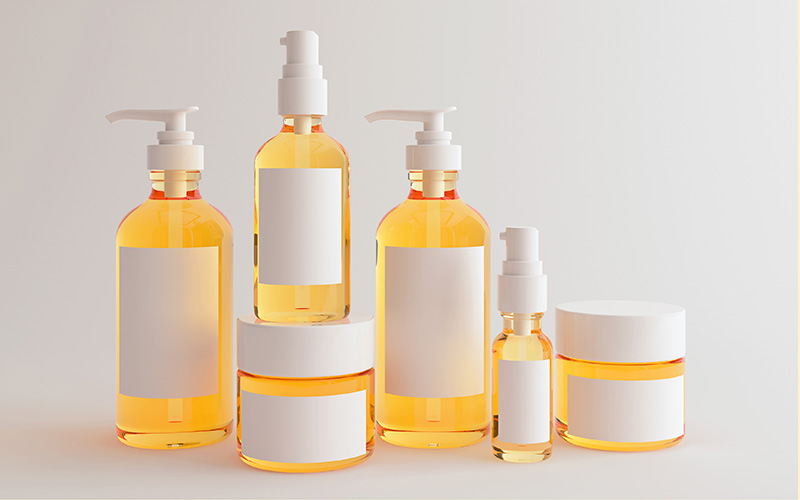
Label Design: The Physical Label
Your physical label is more than packaging—it’s branding, function, and customer experience combined. Selecting the right material, finish, and adhesive ensures both beauty and durability.
-
MoCRA Rulemaking Updates
The Spring 2025 Unified Agenda, published September 4th, shows more delays in the publication of MoCRA’s fragrance allergen and GMP rules.
-
Product Identity, Product Name, and Brand
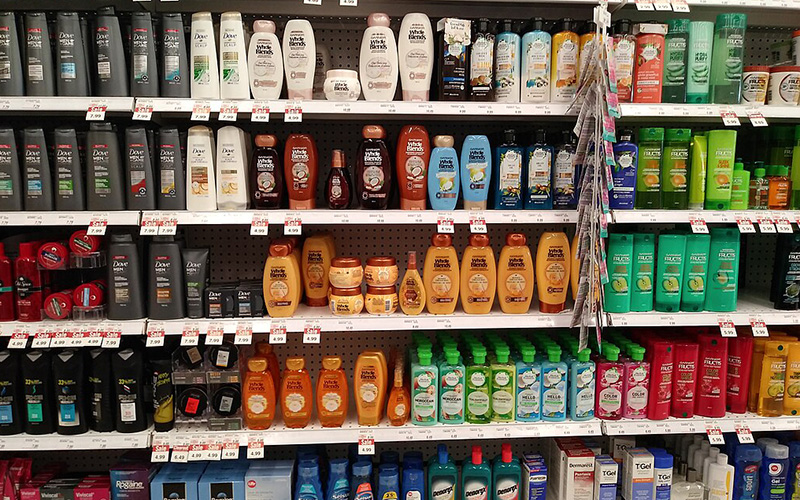
Product identity, product name, and brand each serve a different purpose on your label. Here’s how to keep them clear—and compliant.
-

Does AI Give Good Labeling Advice?
I conducted an experiment to determine if AI could help decode cosmetic regulations —but every platform I tested gave some incorrect information. Useful, yes. 100% trustworthy, no.
-
Soap: Cosmetic or Not? Understanding the Differences
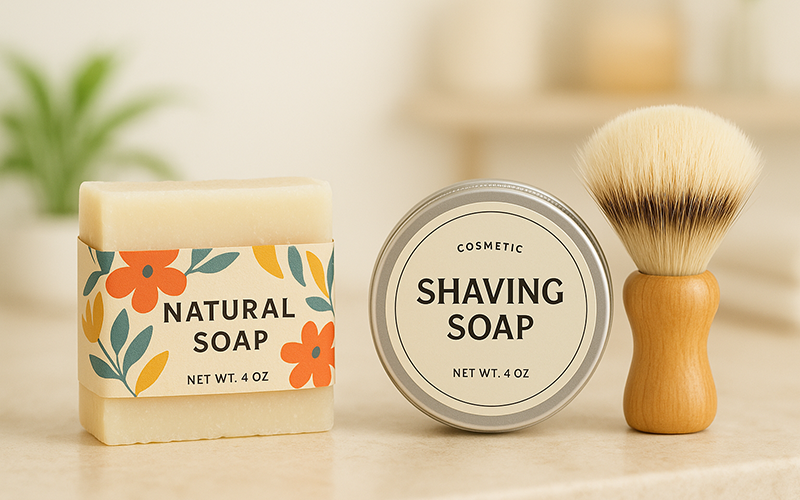
Soap can be cosmetic or non-cosmetic, depending on how it’s made and marketed. Knowing the difference helps you label correctly, stay compliant, and market effectively.
-
Net Contents: Size and Placement
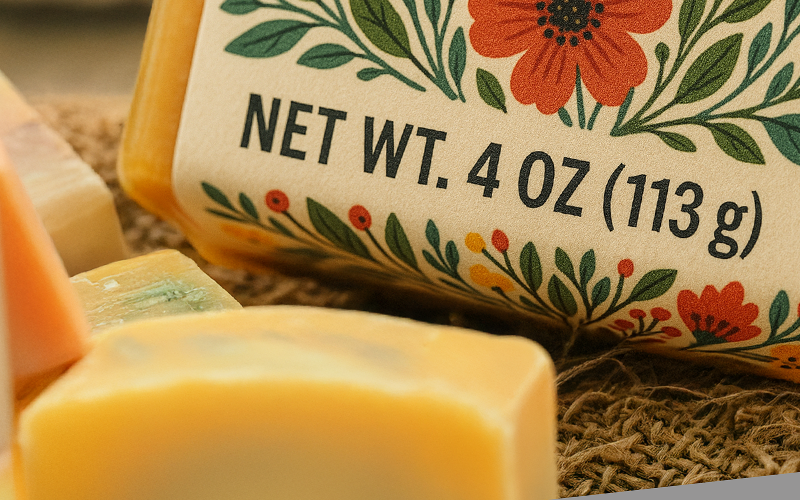
The net contents must be big, bold, and clear—often bigger than you’d expect. Here’s how to size, place, and format it correctly.
-
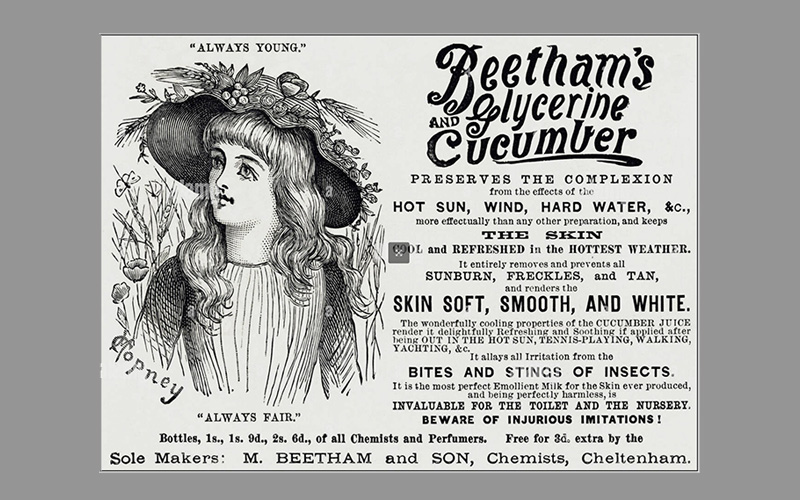
Why Are There Restrictions on Product Claims?
From snake oil salesmen to modern rules, today’s restrictions on product claims come from 100 years of experience to protect consumers—and define the line between cosmetics and drugs.
-
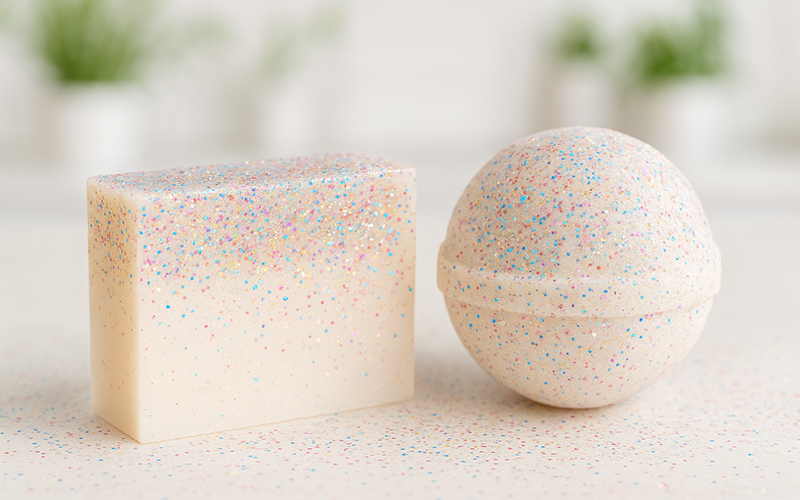
California Bans Plastic Glitter in Cosmetics
California has approved a ban on plastic glitter in personal care products — including soap. Makers have until 2029 to reformulate with eco-friendly alternatives.
-
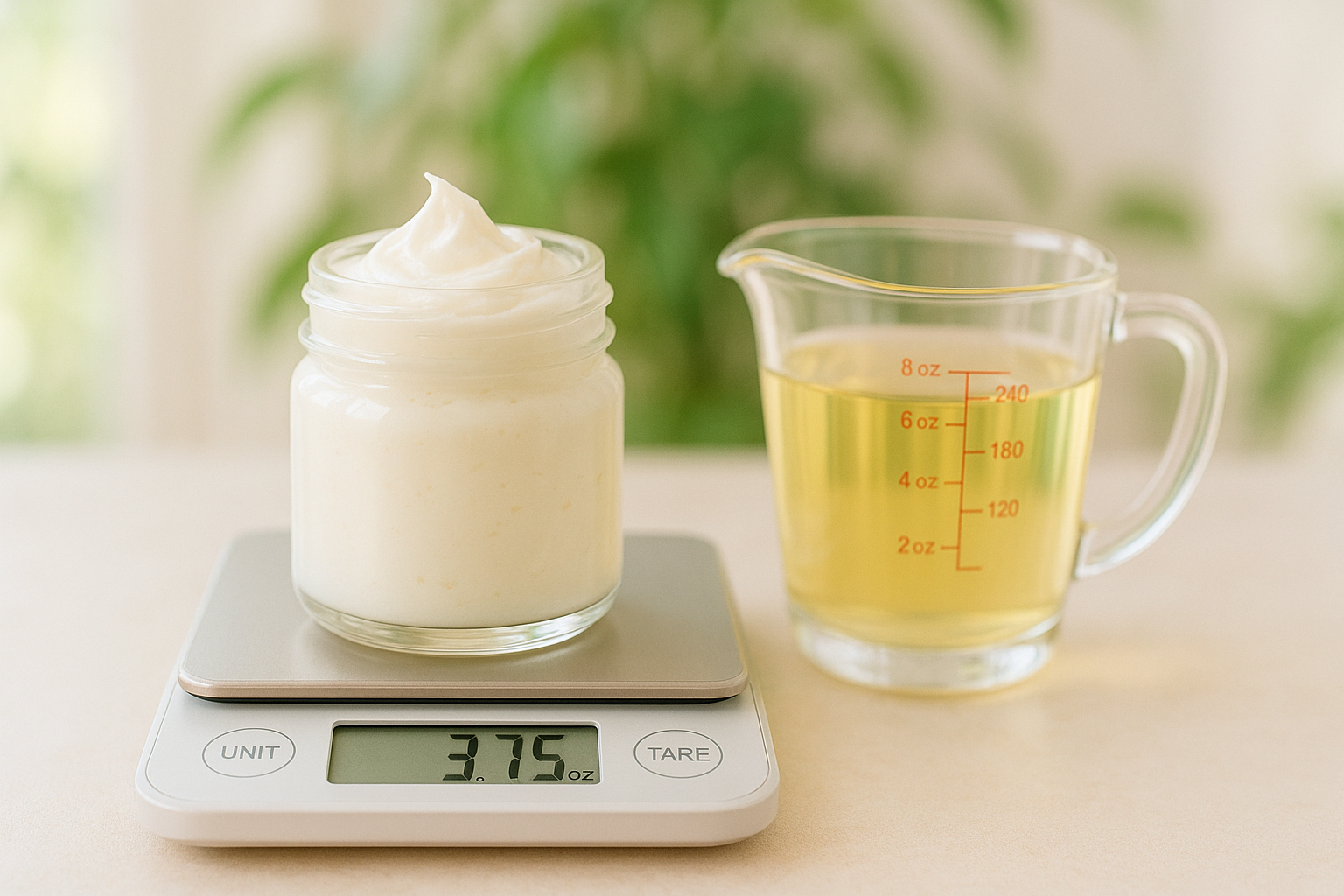
Net Contents: Solid vs Fluid Products
Correct net contents labeling means using weight for solids and volume for liquids. Here’s how to measure and declare contents correctly on your cosmetic labels.
-

Label Design: Your Brand Book
A brand book keeps your soap or cosmetic business consistent, professional, and compliant—especially when you include branding rules that apply to your product labels.
Books