
Helping you understand soap and cosmetic regulations — in plain English.
Category: General & Reference
Industry basics and current news. History & Trivia.
-
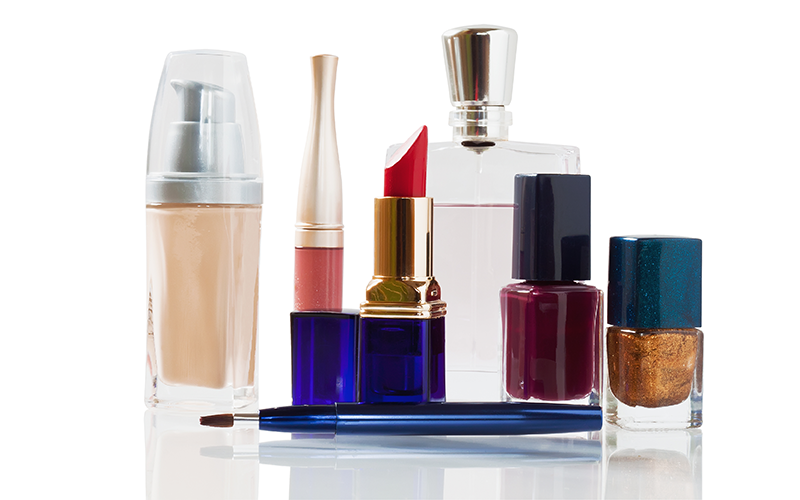
What is a COSMETIC?
Cosmetics have been around since, well, forever. People have probably always tried to apply stuff to their face and body to look better; Cleopatra is probably the earliest and best known woman to take the the application of cosmetics to a true art form. The words cosmetic and cosmetics trace their history to the Greek language.
-
What is LABELING?
When you start to learn about what it takes to legally label your soap and cosmetic products, you may not realize that within the laws and regulations there is a very specific definition of labeling. It’s not what you would expect it to be, and it’s not a definition you can get by looking in
-
What is a LABEL?
One frequent point of confusion when it comes to understanding the labeling laws and regulations is exactly what is meant by the word label. The problem is that there are several regular English definitions for label, each one meaning a slightly different thing AND there is a definition of label that is used in the
-
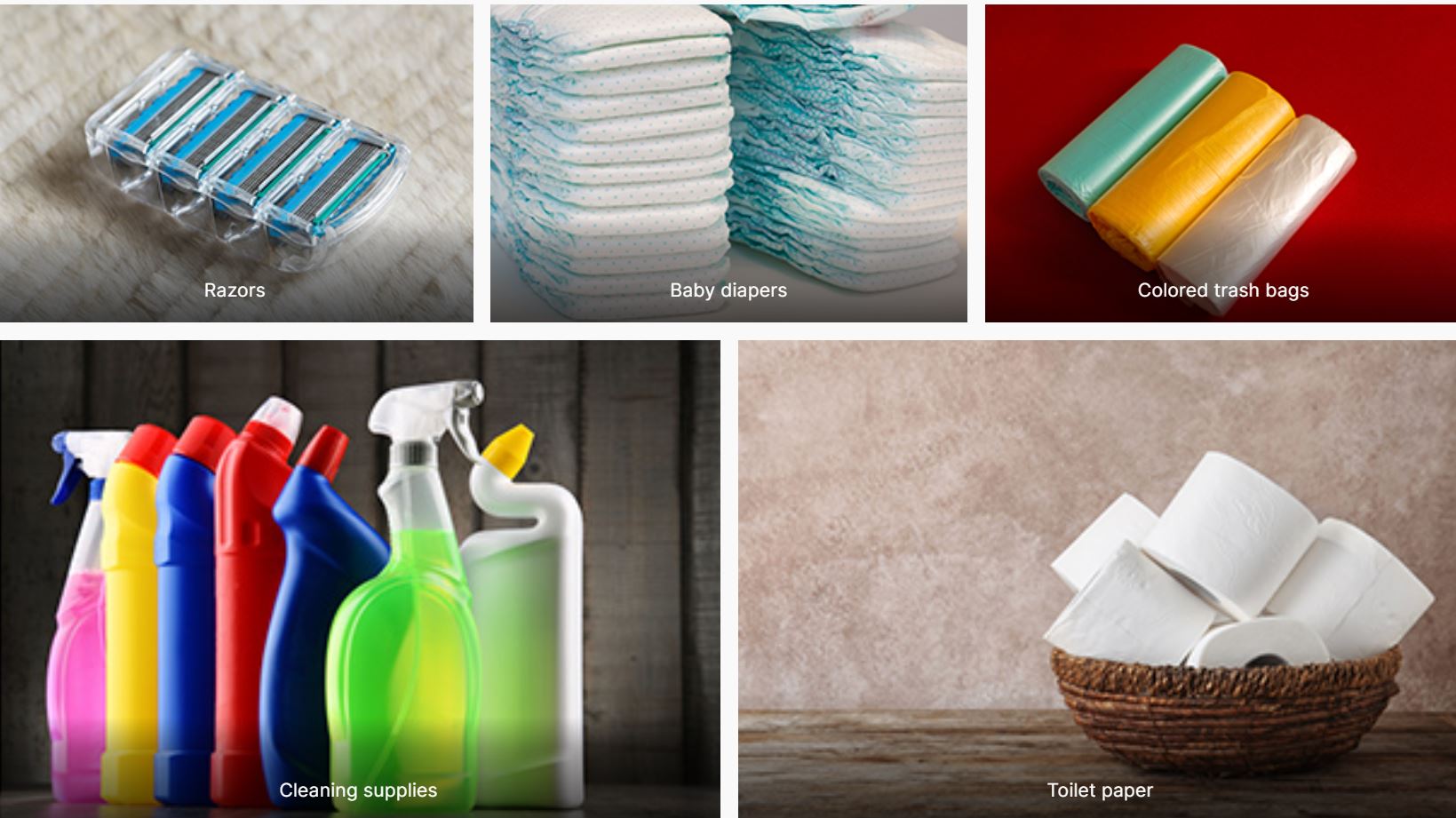
What is a CONSUMER COMMODITY?
The labeling laws for items that ARE consumer commodities are different than items that ARE NOT consumer commodities. Knowing if a product is classed as a consumer commodity will help you determine whether certain laws or regulations apply. Key Words to Know Consumer A person who purchases goods or services. Commodity Something that is bought
-

What’s the Worst That Could Happen?
I’ve talked in the past about the dangers and pitfalls of making medical claims for soap and cosmetic products. Over and over, handcrafters have asked me: “What’s the worst that could happen?”
-
Mary’s Monkey
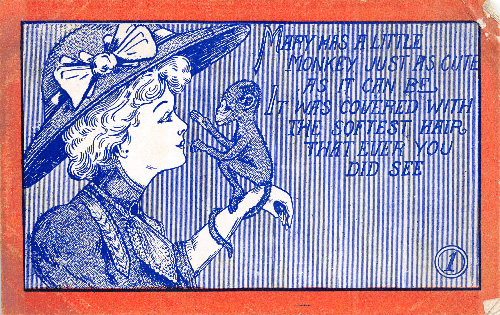
As one of my personal projects, I am scanning and correctly, archivally storing the family collection of papers and documents. Yesterday I scanned a collection of 400 post cards dating from 1908 to 1920. One little series mentioned soap, so I read it carefully … and I just have to share: Mary has a little MonkeyJust
-
Liquid Soapmaking by Jackie Thompson
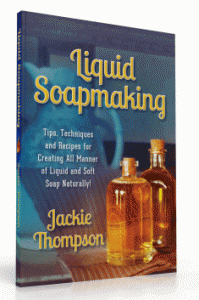
Jackie Thompson’s long awaited book, Liquid Soapmaking, is finally here—and more than worth the wait! For those who make handcrafted soap bars, transitioning to making liquid soap can be daunting. While the chemistry is essentially the same, when it comes to the finished product, opaque bar soap is much more forgiving than liquid soap that
-
Making Soap, 1955 Style
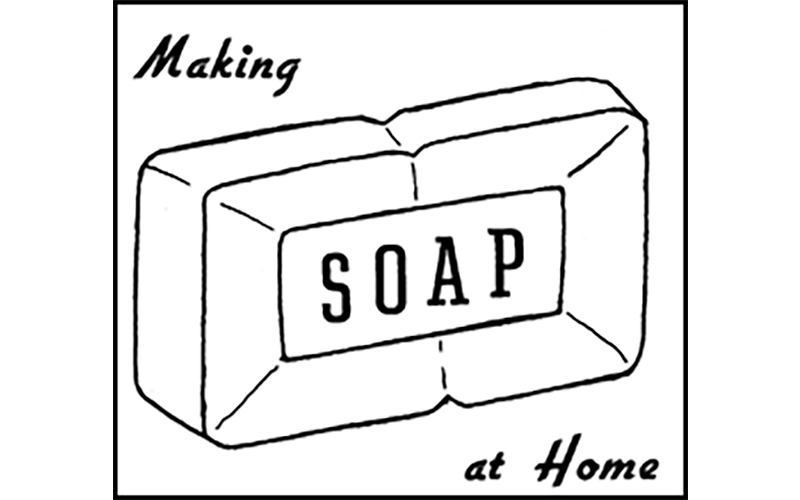
I recently found a marvelous brochure, Making Soap at Home from February, 1955. Prepared by Irene Crouch, Extension Agent Home Management, and published by the Extension Service (North Dakota), this little document outlines how to make soap at home. “A thrifty housewife can save many dollars a year by making soap of good quality.”
-
Soapmaker’s Handy Reference Guide
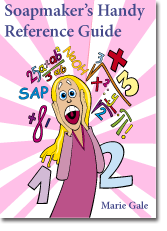
(Updated 2024: This guide is out of print and not currently available.) May 2013: Not one to rest on my laurels, I’ve produced another book for soapmakers (also for cosmetic makers, even though that’s not in the name). The Soapmaker’s Handy Reference Guide was released at the Handcrafted Soap & Cosmetic Guild’s 2013 Annual Conference
-
Nova Studio Classes – October 14, 2012
I will be at the Nova Studio on Sunday, October 14th 2012 giving two classes; one on Soap and Cosmetic Labeling, and the other on Good Manufacturing Practices. You can see the details for the Soap and Cosmetic Labeling class here. We’ll be covering all of the basics of labeling. The class will be hands-on,
-
Making a Difference with Soap
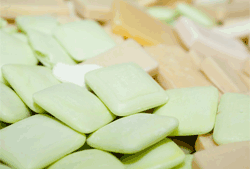
Soap: At one end of the spectrum it’s a luxury item, at the other end soap saves lives. Did you know that more than 5 million lives are lost each year (the majority of whom are children) to diseases such as acute respiratory infection and diarrheal disease caused by improper hygiene and lack of soap?
-
Amazing and Unique Soaps
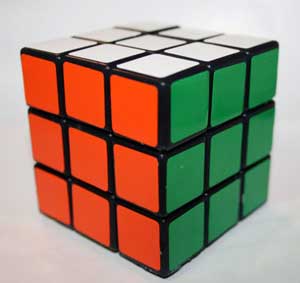
We’ve all seen bar soap (which can be stunningly beautiful with swirls, embeds, and colors), and liquid soap, and even soap that looks like food. But how about soap that looks completely like something else? Check out these amazing soaps!