
Helping you understand soap and cosmetic regulations — in plain English.
Category: Legislation & Regulation
-
New FDA Webpage for Handcrafters
The FDA has published a new webpage that is directed to cosmetic handcrafters. It’s the Small Businesses & Homemade Cosmetics: Fact Sheet, which can currently be found in the Cosmetics section of the FDA website, under “Resources for You” > “Industry“. Just to clarify, nothing has changed; there are no new regulations. This is just a new page on their website that summarizes important points…
-

Personal Care Products Safety Act (2015)
On April 20th, 2015, Senators Diane Feinstein (D – CA) and Susan Collins (R – ME) introduced The Personal Care Products Safety Act (S. 1014), which, if passed, will update the Food, Drug and Cosmetic Act as it pertains to cosmetics. There has been considerable discussion about various aspects of the bill and what its effects will be. Several people have asked me for my…
-
Proposed Revisions to Labeling Regulations Under the FPLA
Update: The final rule was published in the Federal Register, but the online federal regulations have not yet been updated (See FTC updates business address requirements) The Federal Trade Commission is looking to update their regulations under the Fair Packaging and Labeling Act, and “modernize the place-of-business listing requirement.” These are the regulations that apply to “true soap” that is exempt from the FDA definition of…
-

Insect Repelling Soap and Cosmetics
Updated September 25, 2017 Several people have asked me recently about soaps and cosmetics that repel insects. What are the regulations and how do they get labeled? Once there’s a “pesticide” claim (that is, that the product repels insects), the product falls under the jurisdiction of the EPA, under the authority of the Federal Insecticide, Fungicide and Rodenticide Act (FIFRA). The EPA are the ones…
-
FDA Cosmetic Website Updated
The FDA recently (2014) updated the cosmetic section of their website and added some new pages that clarify regulations, particularly for small manufacturers of soap and cosmetics.
-
Ingredient Names From 1977 Still Good?
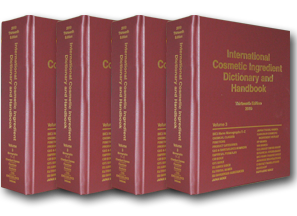
The Code of Federal Regulations specifies where to find the names by which cosmetic ingredients should be identified in the ingredient declaration on a cosmetic. First are any names “established by the Commissioner” (there are a few) and then the CTFA Cosmetic Ingredient Dictionary, Second Ed., 1977. After some searching, I was finally able to locate a copy of this elusive book ($200 from an…
-
More on “Lip Balm”
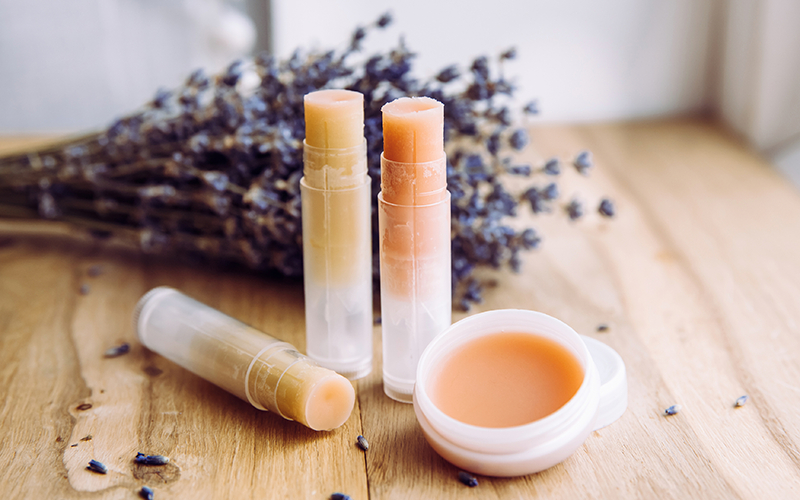
Last year (2012) I wrote a post (on “Drug Claims and Lip Balm“) which discussed the use of the phrase “lip balm” as the identity of a product. Unlike “lipstick” or “lip gloss,” the specific term “lip balm” is cited in the over-the-counter drug monograph for “skin protectants” as one of the approved ways to identify a skin protectant (which is a drug). The issue…
-

FDA Issues New Draft of Cosmetic Good Manufacturing Practices Guidelines
The FDA recently announced that they have issued a new draft guidance on good manufacturing practices for cosmetic products. This new draft is an update to the existing “Cosmetic Good Manufacturing Guidelines/Inspection Checklist“. According to the Introduction: “This document provides guidance to industry and other stakeholders on the FDA’s current thinking concerning what constitutes Good Manufacturing Practices (GMPs) for cosmetics.”
-

Cosmetics – Is Testing Required?
In a nutshell, no, testing is not required. What is required is that you make sure your products are safe. Actually, the FDA (and most state) regulations require that you ensure that your product is not “adulterated or misbranded.” So what does that mean, exactly? The Food, Drug and Cosmetic Act (which is the law that gives the FDA authority over cosmetics) prohibits adulterated or…
-
Using an “FDA Disclaimer” on Cosmetics
Several people have asked me about FDA disclaimers they see on packaging, websites and promotional materials that say: “This statement has not been evaluated by the Food and Drug Administration. This products is not intended to diagnose, treat, cure or prevent any disease.” I’ve been asked if the same disclaimer can be used for claims made about cosmetics. The answer is “No!” The regulations for…
-
Safe Cosmetics and Personal Care Products Act of 2013
On March 21st, 2013, Rep Jan Schakowsky (D-IL) introduced the Safe Cosmetics and Personal Care Products Act of 2103. The text is now available at govtrack.us. It has been referred to to the House Energy and Commerce Committee and the Committee on Education and the Workforce. This bill does contain provisions that will affect handcrafters and small businesses when it comes to labeling, reporting and…
-
FDA Final Rule on Detention of Food
On February 4, 2013, the FDA announced a final rule amending the criteria for administrative detention to prevent potentially unsafe food from reaching the marketplace. While this doesn’t apply to soap, cosmetics, forestry, or small woodland ownership (my usual blog topics), there were some issues in it on which t I just had to comment.