

Hi, I’m Marie Gale.
For over 20 years I’ve been researching and following the world of laws, regulations, standards and guidelines for the handcrafted soap and cosmetic industry. What started as a personal quest to understand soap and cosmetic labeling for my own products has grown into a deep understanding of the myriad of requirements that handcrafted soap and cosmetics makers are subject to.
My personal passion to assist others to understand and follow the labeling and other requirements grew out of all that research. If I had my way, no handcrafter would ever experience the stress and heartache of unwittingly running afoul of the the laws and regulations.
There is peace of mind in knowing that you are compliant with the applicable regulations. That’s what this blog has always been about, and that isn’t changing.
Compliance Advisor
Finding ways to help others easily and affordably is also why I built Compliance Advisor.
That’s where I’ve put what I know into tools you can use any time: a label check, a fragrance allergen checker and an ingredient declaration builder. Subscribers also get Ask Marie for the questions the tools don’t cover, monthly Office Hours with me on Zoom, and a library of past calls, worksheets and reference material. It’s also where you’ll find a Label Quick Check, details on my consulting, and the free MoCRA Wizard.
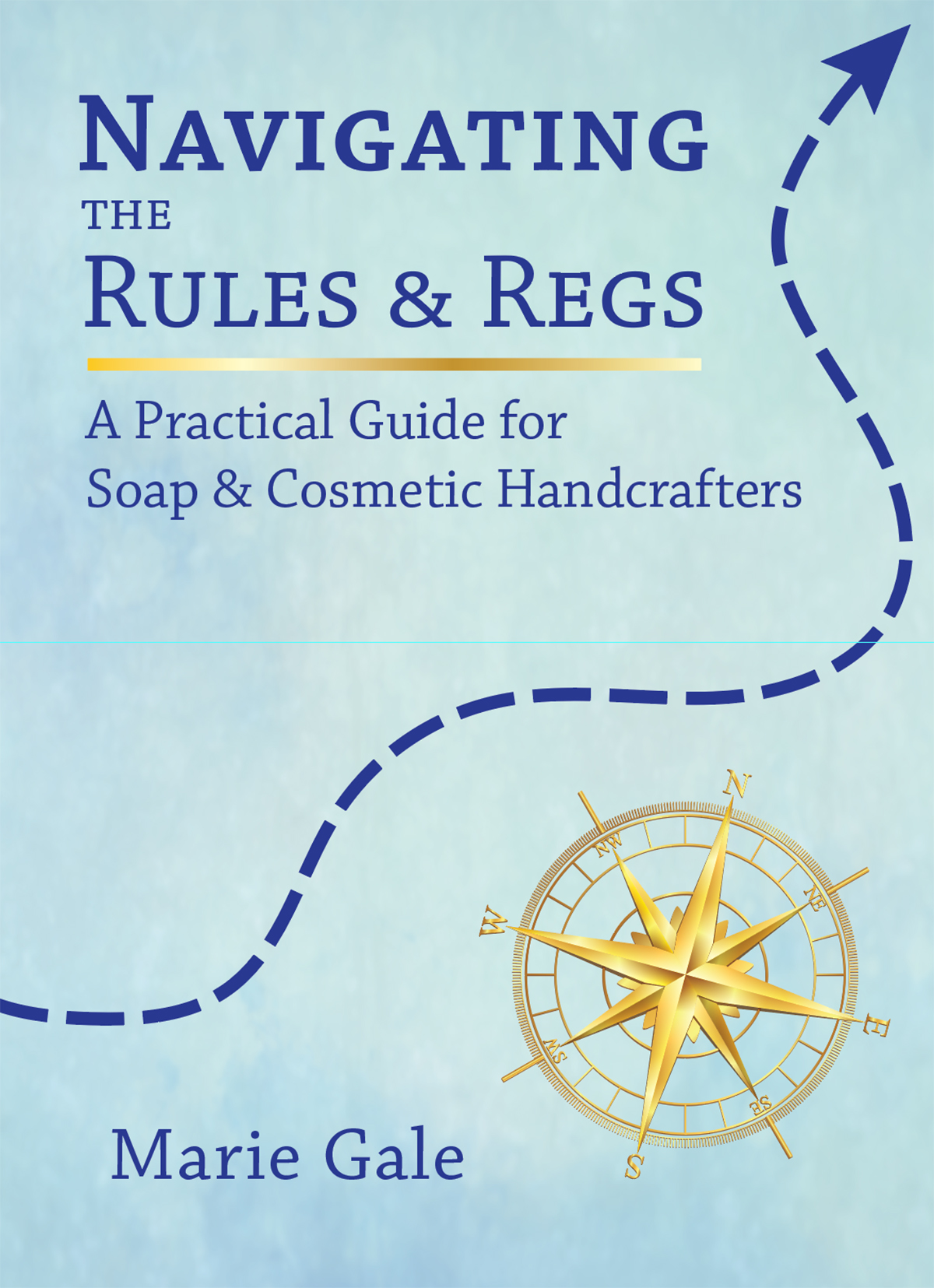
Whether you know it or not, you’ve been an invaluable resource for me throughout our years in business as I’ve relied on your many books whenever I have questions. I’ve recently purchased “Navigating the Rules & Regulations” and am going through it with tabs & a highlighter and am learning more than I ever expected. — Julia
Latest blog articles
-
The Importance of Good Manufacturing Practices
Sometimes it’s easy to think that keeping in Good Manufacturing Practices when making cosmetics is just a good idea—a “suggestion” rather than a “rule.” I suppose that idea is reinforced by the fact that cosmetic GMP isn’t actually in the regulations, it’s a “guidance.” Events of the past several months have shown that GMP failures
-
What is INCI?
The INCI is a list of the standardized and internationally accepted names of ingredients which should be used in the ingredient declaration …,. mostly.
-

FDA Policy Change on Hand Sanitizers
On October 12th, 2021, the FDA announced they are withdrawing their temporary policies allowing manufacturers who were not drug manufacturers to produce certain alcohol-based hand sanitizers. Background In the US (and elsewhere) hand sanitizers are classified as drugs—usually over-the-counter drugs. They must be manufactured by approved drug manufacturers in facilities that are registered, inspected, and
-
FDA Warning Letters 2021
I’ve been receiving a lot notices of FDA warning letters, so I reviewed the last 106 warning letters (60 days) to see what sort of warnings they have been sending out lately. Here’s the breakdown of the types of products cited (in descending order). Unapproved New Drugs Warning letters concerning cosmetics are usually found under
-
Ingredient Declarations for Soap (US Only)
Is an ingredient declaration required on your soaps? Let’s take a look!
-
Florida – 2021-Changes to Cosmetic Manufacturers Law
The laws for cosmetic manufacturers in Florida have been updated and now include a small business exemption!
-
Making Cosmetics in Alabama
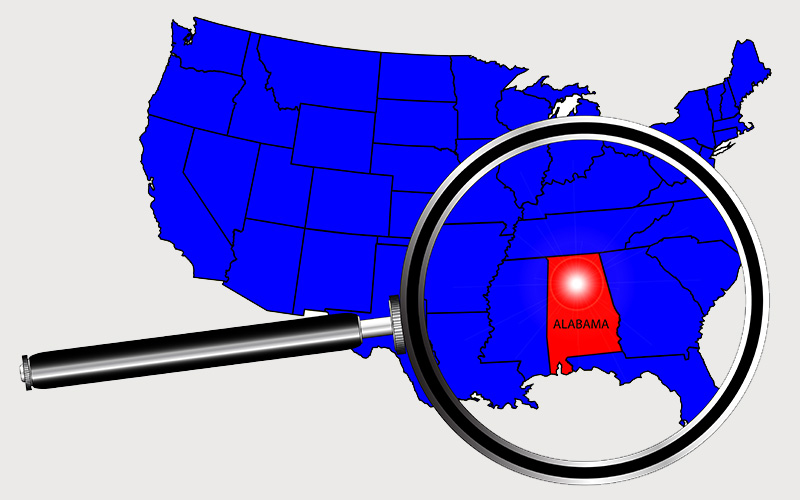
There don’t appear to be any regulations covering the manufacture of soap or cosmetics that differ from the federal regulations. In other words, there is no pre-approval or registration required.
-
Making Cosmetics in Pennsylvania
Pennsylvania has requirements for cosmetic manufacturers, including registration.
-
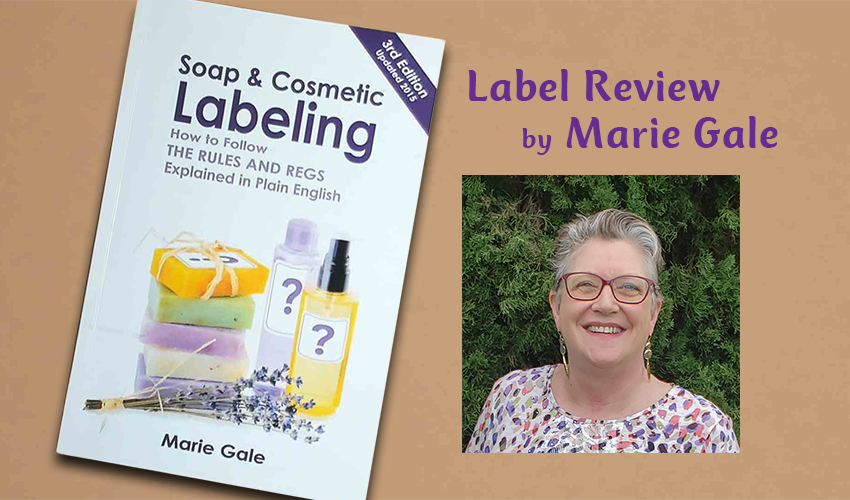
Label Review – Trader Joe’s Foam Soap (Video)
Let’s check out the package and label of a bottle of Trader Joe’s Botanical Bounty Foaming Hand Soap!
-

Herbal Entrepreneur Conference 2021
I am so honored to be included in this year’s Herbal Entrepreneur Conference being held virtually March 21 – March 27th! This is the 3rd such annual conference. My session, “What You Need To Know About Labelling Herbal Products” will be on March 23rd at 11AM (PST).
-
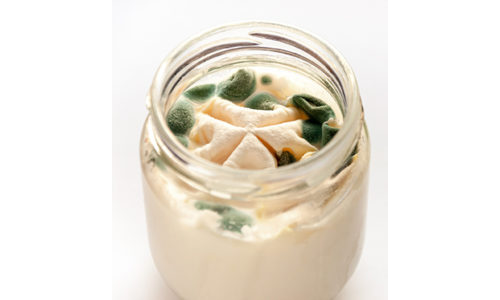
What does ADULTERATED mean?
In the US, you can make cosmetics without getting prior approval of the product, the ingredients, or the formulation. What you can’t do is sell (or put out for sale) a product which is adulterated or misbranded. That’s illegal. Most states have also adopted a similar law, so it is illegal at the state level
-
What is the PRINCIPAL DISPLAY PANEL?
In labeling, the size and placement of the principal display panel determines where certain information must be placed and what size the text must be. Key Words to Know Principal Of a thing: first, chief, most important. Display Panel A separate or distinct part of a surface on which information can be shown. Which brings
Books