Helping you understand soap and cosmetic regulations — in plain English.

Hi, I’m Marie Gale.
For over 15 years I’ve been researching and following the world of laws, regulations, standards and guidelines for the handcrafted soap and cosmetic industry. What started as a personal quest to understand soap and cosmetic labeling for my own products has grown into a deep understanding of the myriad of requirements that handcrafted soap and cosmetics makers are subject to.
My personal passion to assist others to understand and follow the labeling and other requirements grew out of all that research. If I had my way, no handcrafter would ever experience the stress and heartache of unwittingly running afoul of the the laws and regulations.
There is peace of mind in knowing that you are compliant with the applicable regulations. I’m here to help you achieve that stress-free relationship with your products and your business.
Whether you know it or not, you’ve been an invaluable resource for me throughout our years in business as I’ve relied on your many books whenever I have questions. I’ve recently purchased “Navigating the Rules & Regulations” and am going through it with tabs & a highlighter and am learning more than I ever expected. — Julia
Latest blog articles
-
BBB National Programs – Advertising
Did you know the Better Business Bureau has National Programs? Of particular note are the Advertising Initiatives, which provide a forum for “promoting truthful, transparent, responsible advertising through self-regulation, monitoring, and enforcement.”
-

Cosmetics That Look Like Food
Soap that looks and smells like pie. Bath bombs that look and smell like candy. Fun to do and sell – but is there a legal downside? Turns out, at least the the EU, there is.
-
California Legislation – Microplastics
In February 2022, California Assemblymember Bill Quirk introduced Assembly Bill (A.B.) 2787 “Microplastics in Products.” It covers both rinse-off and leave-on cosmetic products.
-

Cosmetic Regulation Update
On May 17, the Senate HELP (Health, Education, Labor, and Pensions) Committee introduced a draft bill which includes changes to the Food Drug and Cosmetic Act regarding cosmetics.
-
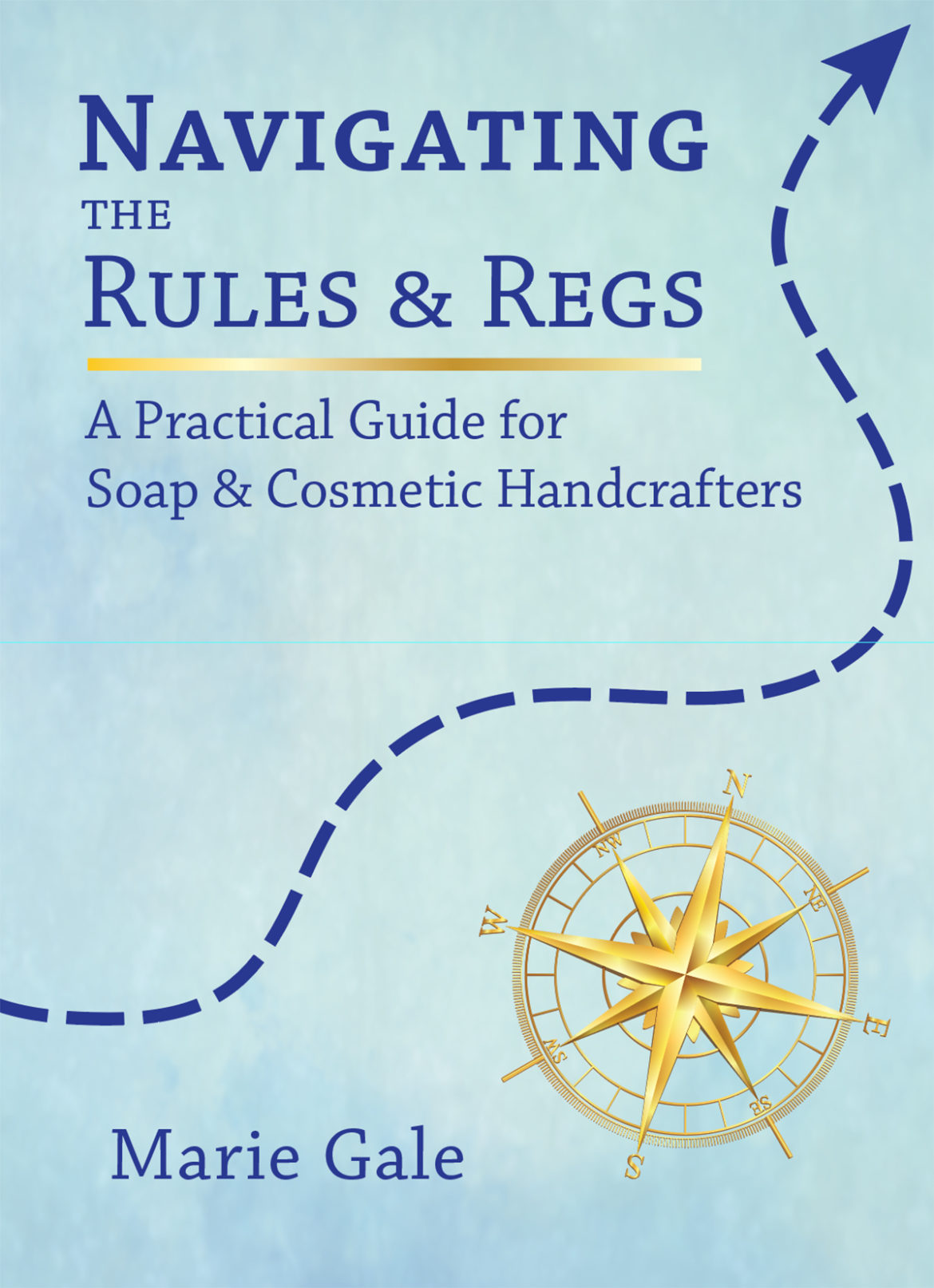
New Book! Navigating the Rules & Regs
New book! Navigating the Rules and Regs is finished and available at Amazon!
-
Natural Ingredients and Products
As of now (2022) the FDA has declined to provide a formal regulatory definition of the term “natural” as applied to cosmetics (or food). That said, there are some standards that can guide you concerning when the claim of “natural” is appropriate (that is, not false or deceptive) for a cosmetic product. FDA – Food
-

Parabens in Cosmetic Preservatives
Parabens are a class of preservatives including methylparaben, propylparaben, butylparaben and ethylparaben (and 17 more). These are commonly used preservatives which form the basis of several commercial preservative blends, including Germaben(TM) II and Liquapar(TM). Paraben Safety Parabens have been used in cosmetic (and other) products for over 100 years. However, there have recently been safety
-
Plastic Microbeads
Plastic microbeads are prohibited for use in rinse-off cosmetics. If a rinse-off cosmetic contains plastic microbeads, it is adulterated (and therefore illegal).1 Key Words to Know Pastic Microbead: Any solid plastic particle that is less than 5 millimeters in size and is intended to be used to exfoliate or cleanse the human body or any
-
Talc
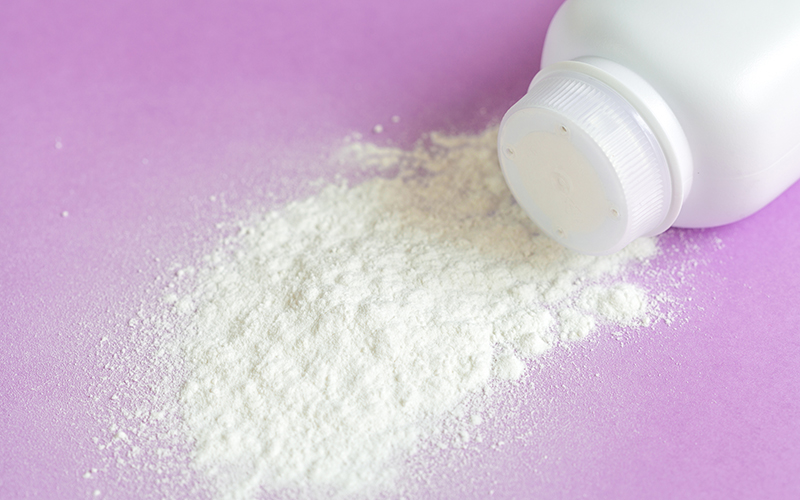
As an ingredient in cosmetics, talc has been under scrutiny for some years now. I’ve recently done a survey of the current information about talc, and here’s what I found out. Talc was originally used as “talcum powder”—the original body or baby powder. Now it has many uses in cosmetics and other personal care products;
-
Making Cosmetics in Ohio
Ohio is one of the several states that have additional requirements for cosmetic makers.
-
The Importance of Good Manufacturing Practices
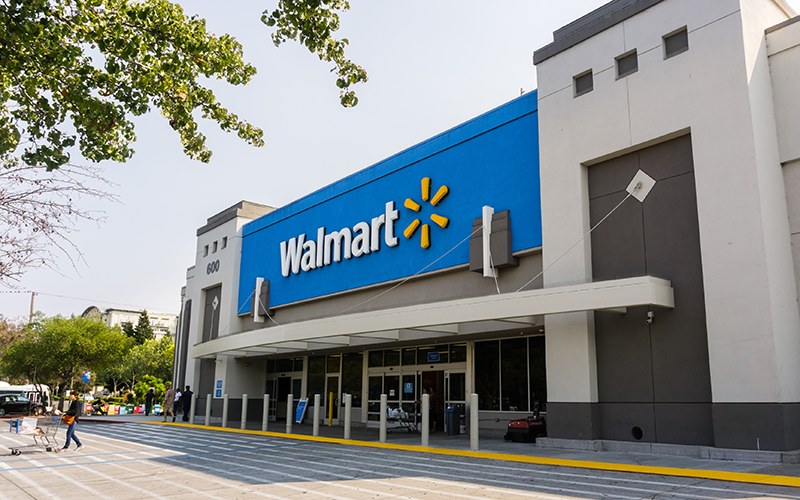
Sometimes it’s easy to think that keeping in Good Manufacturing Practices when making cosmetics is just a good idea—a “suggestion” rather than a “rule.” I suppose that idea is reinforced by the fact that cosmetic GMP isn’t actually in the regulations, it’s a “guidance.” Events of the past several months have shown that GMP failures
-
What is INCI?
The INCI is a list of the standardized and internationally accepted names of ingredients which should be used in the ingredient declaration …,. mostly.
Books