
Hi, I’m Marie Gale.
For over 20 years I’ve been researching and following the world of laws, regulations, standards and guidelines for the handcrafted soap and cosmetic industry. What started as a personal quest to understand soap and cosmetic labeling for my own products has grown into a deep understanding of the myriad of requirements that handcrafted soap and cosmetics makers are subject to.
My personal passion to assist others to understand and follow the labeling and other requirements grew out of all that research. If I had my way, no handcrafter would ever experience the stress and heartache of unwittingly running afoul of the the laws and regulations.
There is peace of mind in knowing that you are compliant with the applicable regulations. That’s what this blog has always been about, and that isn’t changing.
Compliance Advisor
Finding ways to help others easily and affordably is also why I built Compliance Advisor.
That’s where I’ve put what I know into tools you can use any time: a label check, a fragrance allergen checker and an ingredient declaration builder. Subscribers also get Ask Marie for the questions the tools don’t cover, monthly Office Hours with me on Zoom, and a library of past calls, worksheets and reference material. It’s also where you’ll find a Label Quick Check, details on my consulting, and the free MoCRA Wizard.
Whether you know it or not, you’ve been an invaluable resource for me throughout our years in business as I’ve relied on your many books whenever I have questions. I’ve recently purchased “Navigating the Rules & Regulations” and am going through it with tabs & a highlighter and am learning more than I ever expected. — Julia
Latest blog articles
-

Safe Cosmetics and Personal Care Products Act of 2013
On March 21st, 2013, Rep Jan Schakowsky (D-IL) introduced the Safe Cosmetics and Personal Care Products Act of 2103. The text is now available at govtrack.us. It has been referred to to the House Energy and Commerce Committee and the Committee on Education and the Workforce. This bill does contain provisions that will affect handcrafters
-
Soap & Cosmetic Labeling Book – Corrections to Third Edition
There are no corrections for the 3rd Edition of Soap & Cosmetic Labeling. Corrections to Second Edition: Two pages of my book Soap and Cosmetic Labeling (2nd Edition) should be corrected. If you have the book, please update your book.
-

Good Manufacturing Practices – Where to Start?
If you already make a good product, then you already have the beginnings of your good manufacturing practices in place. But if you are ready to take it to the next level, where do you start?
-
Labeling of In-Process Materials
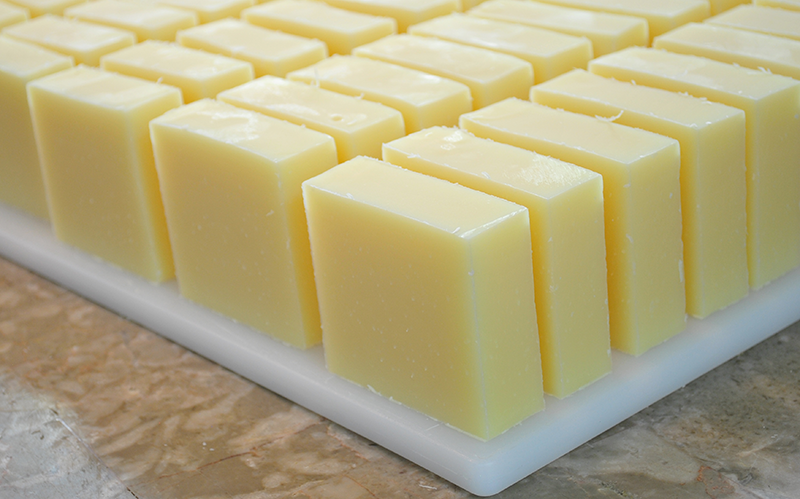
Running all through Good Manufacturing Practices guidelines is the theme of label, label, label. Label incoming materials. Label containers of raw materials. Label containers of measured ingredients when making a batch. Label bulk materials ready to be packaged. In other words, label everything as you go! Why? Because if you rely on “remembering” what’s what, you
-

FDA Cracking Down On Cosmetic Product Claims
Based on the warning letters the FDA sent to manufacturers of cosmetics in the last year (especially the last 4 months of 2013), the FDA is starting to crack down on some of the claims being made for cosmetics. I looked through all of the warnings for cosmetics and some of the warnings for food
-
FDA Final Rule on Detention of Food
On February 4, 2013, the FDA announced a final rule amending the criteria for administrative detention to prevent potentially unsafe food from reaching the marketplace. While this doesn’t apply to soap, cosmetics, forestry, or small woodland ownership (my usual blog topics), there were some issues in it on which t I just had to comment.
-
Ingredient Labels for Soap
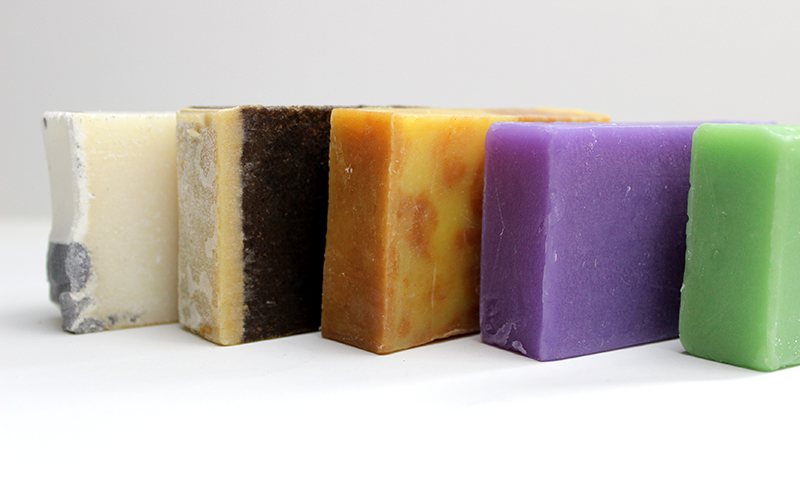
Soap can be a chameleon – a consumer commodity, a cosmetic, an insecticide or a drug. What about the ingredient declaration?
-

Master Formulas – Not Just Ingredients
Master Formulas are a key part of Good Manufacturing Practices. They’re more than just a list of ingredients; they document what makes your products uniquely yours. Your Master Formulas should contain every step, trick, and technique you use to make your product—and it should be written in sufficient detail that someone with reasonable familiarity with
-
Calculating the Net Weight of Soap (Part 2)
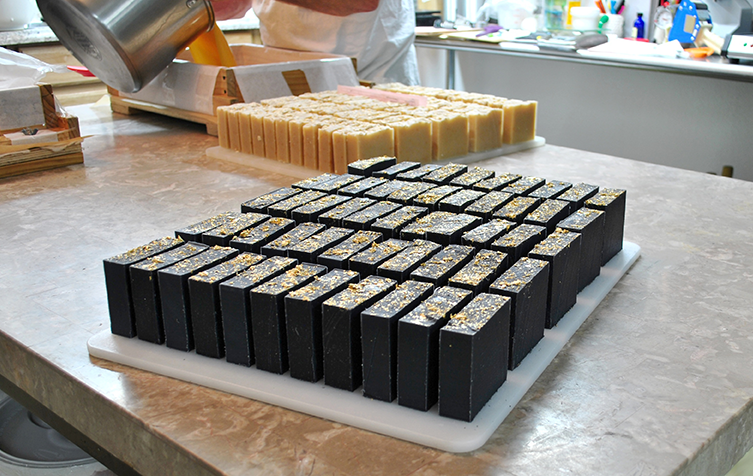
In Part 1 of this series, we discussed how to calculate the net weight of your soap over time by weighing actual bars and seeing what happened to them. That works if you know where your soap will be and can rely on the fact that the environment won’t change much. If your soap may be
-

How & Why to Keep Lot Numbers
Last week The Nova Studio posted a great post, Why You Should Care About Lot Numbers, detailing their experiences on finding out that the San Francisco Herb & Natural Food Company in Fremont, CA had a bad rodent infestation & was recalling over a dozen of their products that may have been infested with droppings. The news report
-

Castor Oil Toxicity?
I was recently asked about castor oil, and whether there was a need to buy “detoxified” castor oil for use in soap. I’ve used castor oil in my soap for a long time because it makes marvelous creamy lather, but I did check into the toxicity issue.
-
Calculating the Net Weight of Soap (Part 1)
When you are labeling soap, one of the problems you run into is figuring out the net weight to put on the label. Since water will continue to evaporate out of the soap over time, the soap will gradually come to weigh less, even after the initial “cure time.” When the consumer is deciding whether
Books