Helping you understand soap and cosmetic regulations — in plain English.

Hi, I’m Marie Gale.
For over 15 years I’ve been researching and following the world of laws, regulations, standards and guidelines for the handcrafted soap and cosmetic industry. What started as a personal quest to understand soap and cosmetic labeling for my own products has grown into a deep understanding of the myriad of requirements that handcrafted soap and cosmetics makers are subject to.
My personal passion to assist others to understand and follow the labeling and other requirements grew out of all that research. If I had my way, no handcrafter would ever experience the stress and heartache of unwittingly running afoul of the the laws and regulations.
There is peace of mind in knowing that you are compliant with the applicable regulations. I’m here to help you achieve that stress-free relationship with your products and your business.
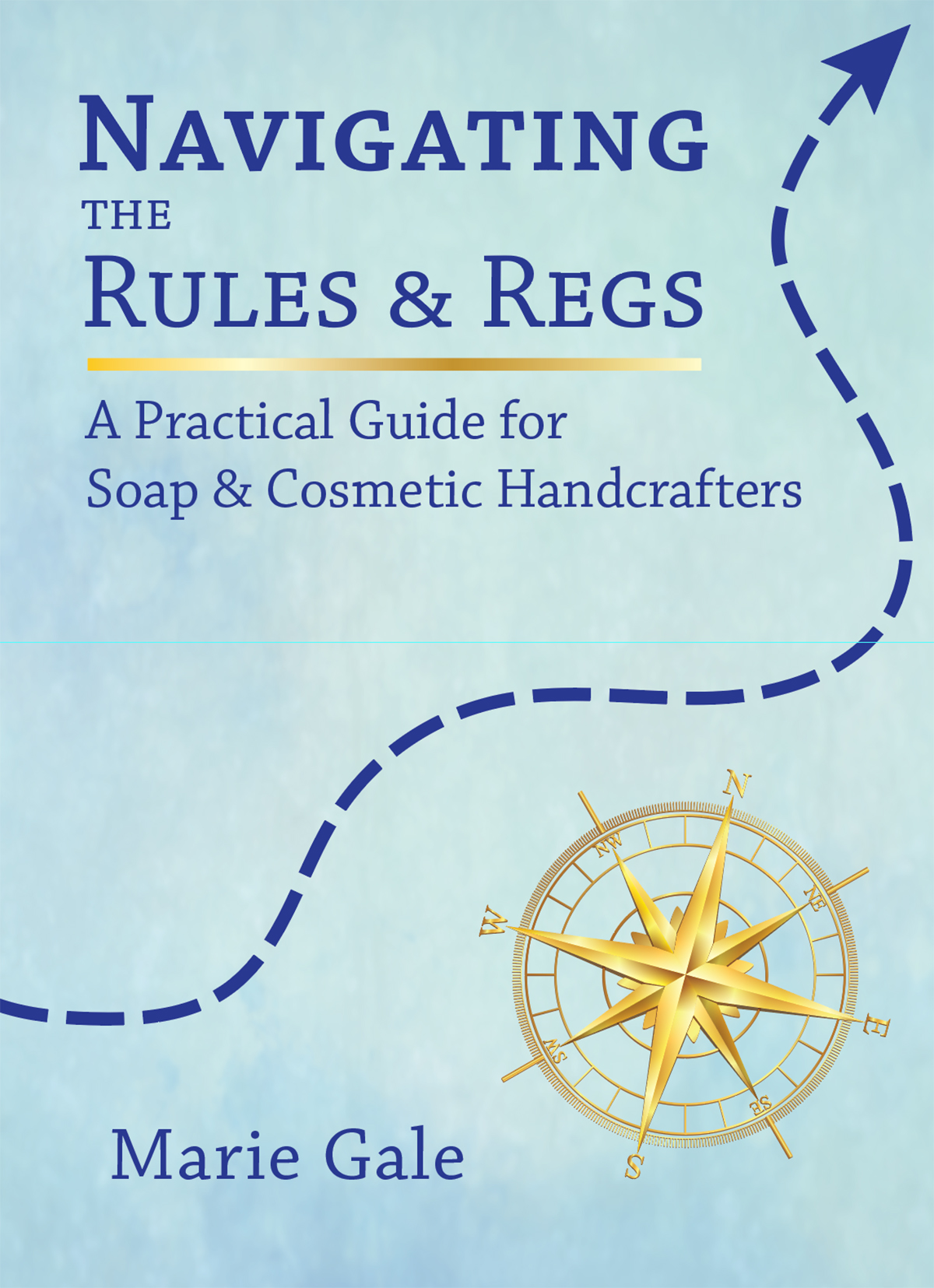
Whether you know it or not, you’ve been an invaluable resource for me throughout our years in business as I’ve relied on your many books whenever I have questions. I’ve recently purchased “Navigating the Rules & Regulations” and am going through it with tabs & a highlighter and am learning more than I ever expected. — Julia
Latest blog articles
-
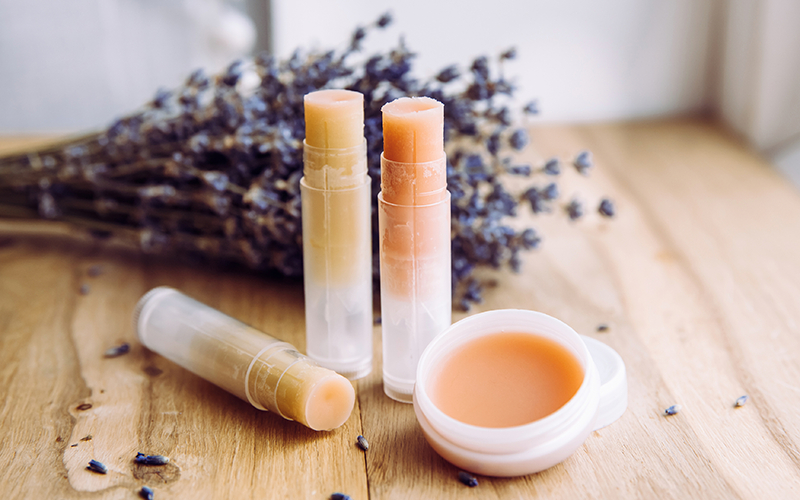
More on “Lip Balm”
Last year (2012) I wrote a post (on “Drug Claims and Lip Balm“) which discussed the use of the phrase “lip balm” as the identity of a product. Unlike “lipstick” or “lip gloss,” the specific term “lip balm” is cited in the over-the-counter drug monograph for “skin protectants” as one of the approved ways to
-

FDA Issues New Draft of Cosmetic Good Manufacturing Practices Guidelines
The FDA recently announced that they have issued a new draft guidance on good manufacturing practices for cosmetic products. This new draft is an update to the existing “Cosmetic Good Manufacturing Guidelines/Inspection Checklist“. According to the Introduction: “This document provides guidance to industry and other stakeholders on the FDA’s current thinking concerning what constitutes Good
-

Cosmetics – Is Testing Required?
In a nutshell, no, testing is not required. What is required is that you make sure your products are safe. Actually, the FDA (and most state) regulations require that you ensure that your product is not “adulterated or misbranded.” So what does that mean, exactly? The Food, Drug and Cosmetic Act (which is the law
-
What About “Organic” Cosmetics?
Several people lately have asked me about using the term “organic” when it comes to cosmetics. Can cosmetics claim to be “organic? What about using the term “organic” in a product or company name? I did some research, and what I discovered was a little bit surprising. It seems that the FDA and the USDA
-
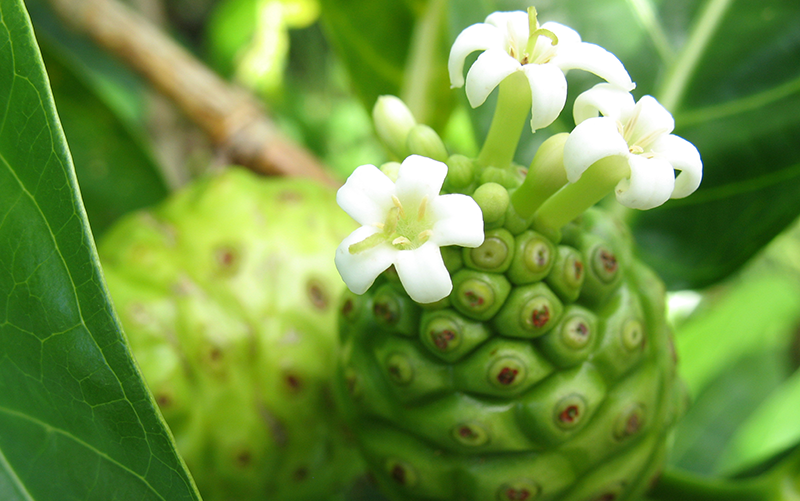
More on Product Claims
The FDA continues to cite claims for ingredients and claims in referenced publications as claims for the product itself, as noted in my earlier post, FDA Cracking Down on Cosmetic Product Claims. A warning letter issued May 16th, 2013, to Matrix Health Products, is a good case in point. While the products are nutritional supplements, not cosmetics,
-
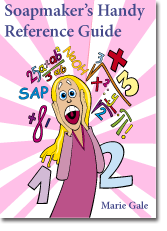
Soapmaker’s Handy Reference Guide
(Updated 2024: This guide is out of print and not currently available.) May 2013: Not one to rest on my laurels, I’ve produced another book for soapmakers (also for cosmetic makers, even though that’s not in the name). The Soapmaker’s Handy Reference Guide was released at the Handcrafted Soap & Cosmetic Guild’s 2013 Annual Conference
-
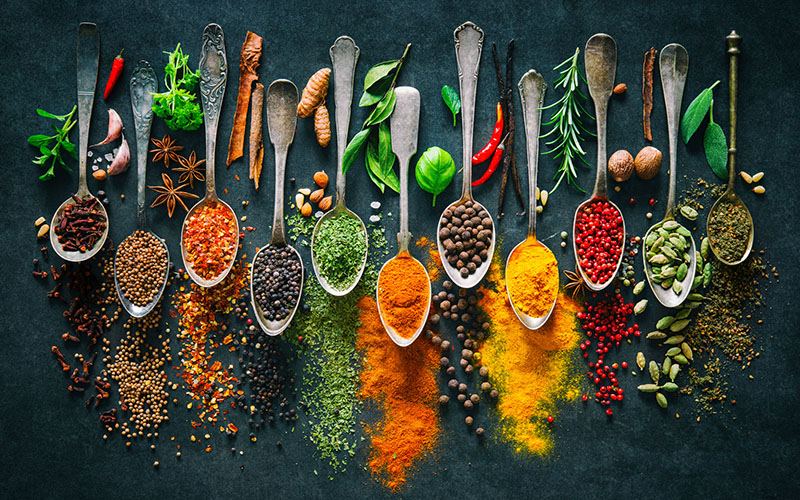
Botanical Names in Ingredient Declarations
In the ingredient declaration for cosmetics, botanical ingredients should be listed by the common English name. Here’s why.
-
Using an “FDA Disclaimer” on Cosmetics
Several people have asked me about FDA disclaimers they see on packaging, websites and promotional materials that say: “This statement has not been evaluated by the Food and Drug Administration. This products is not intended to diagnose, treat, cure or prevent any disease.” I’ve been asked if the same disclaimer can be used for claims
-

Safe Cosmetics and Personal Care Products Act of 2013
On March 21st, 2013, Rep Jan Schakowsky (D-IL) introduced the Safe Cosmetics and Personal Care Products Act of 2103. The text is now available at govtrack.us. It has been referred to to the House Energy and Commerce Committee and the Committee on Education and the Workforce. This bill does contain provisions that will affect handcrafters
-
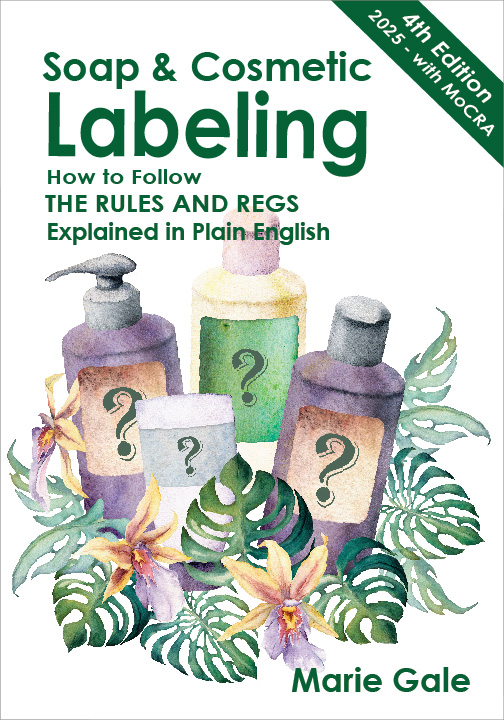
Soap & Cosmetic Labeling Book – Corrections to Third Edition
There are no corrections for the 3rd Edition of Soap & Cosmetic Labeling. Corrections to Second Edition: Two pages of my book Soap and Cosmetic Labeling (2nd Edition) should be corrected. If you have the book, please update your book.
-

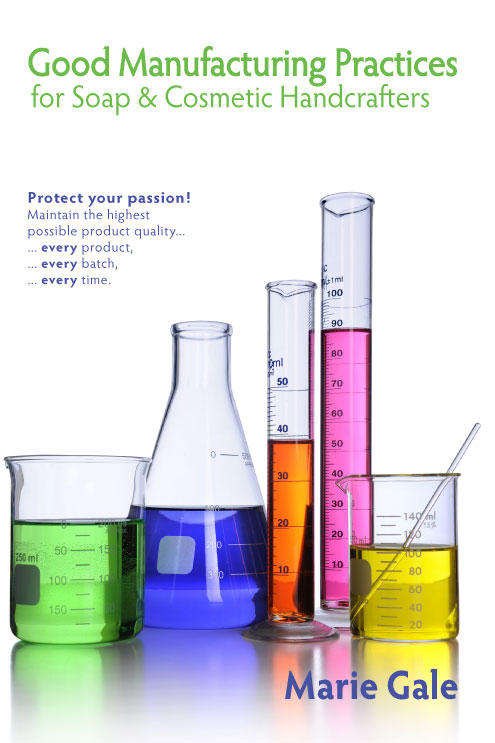
Good Manufacturing Practices – Where to Start?
If you already make a good product, then you already have the beginnings of your good manufacturing practices in place. But if you are ready to take it to the next level, where do you start?
-
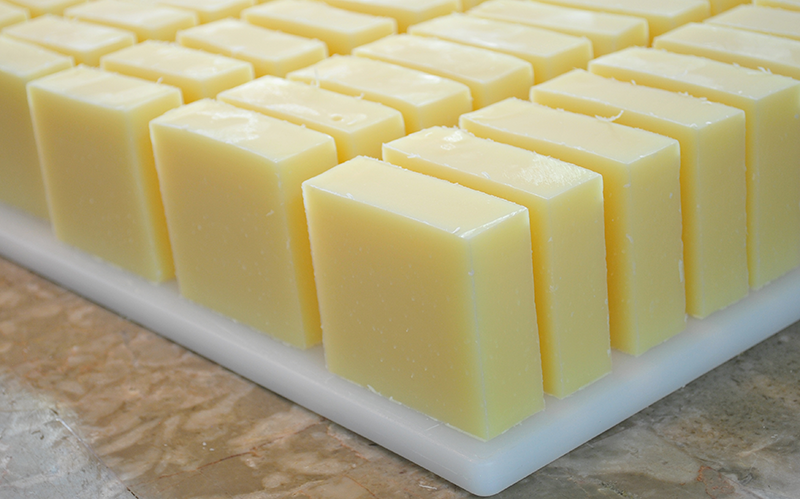
Labeling of In-Process Materials
Running all through Good Manufacturing Practices guidelines is the theme of label, label, label. Label incoming materials. Label containers of raw materials. Label containers of measured ingredients when making a batch. Label bulk materials ready to be packaged. In other words, label everything as you go! Why? Because if you rely on “remembering” what’s what, you
Books