-
Hemp Oil & Seeds
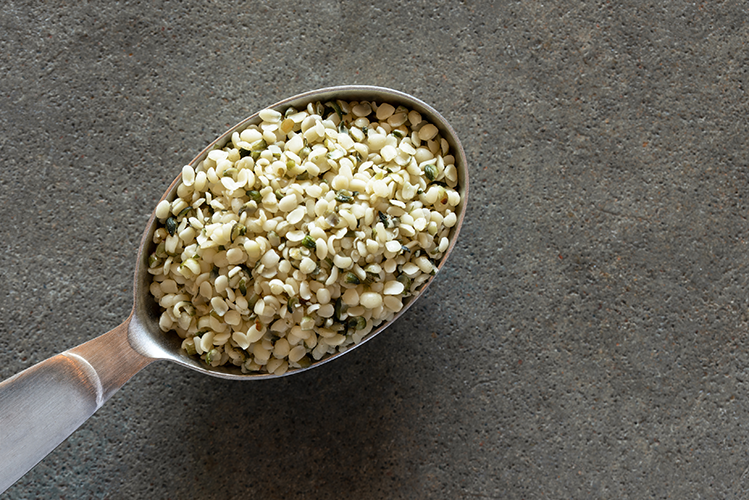
As a follow-up to my previous post, What About CBD Oil?, I have been asked about the status of hemp oil and seeds. The FDA has approved hemp seed oil, hemp seed protein powder and hulled hemp seed as GRAS (generally recognized as safe) for use in food products. There should be no problem using
-
What about CBD Oil?
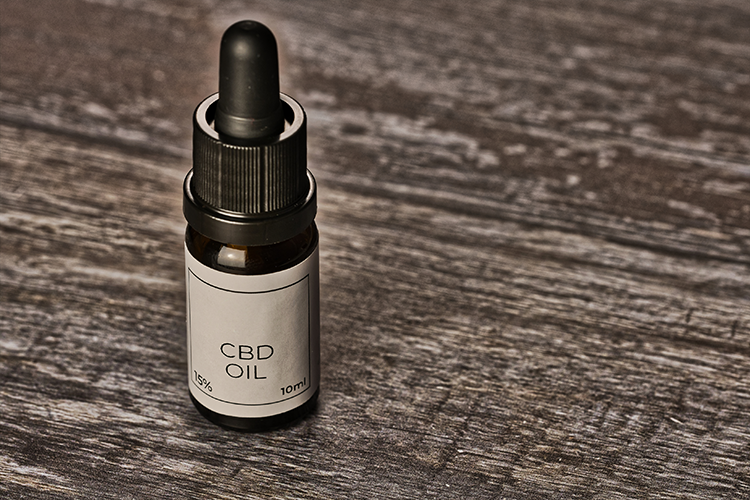
CBD is short for cannabidiol, one of the many compounds found in the cannibis plant. It is non-intoxicating, but many claim it has significant physical benefits. “Hemp” and “marijuana” have been lumped into the same category since the 1937 Marijuana Tax Act and the 1970 Controlled Substances act. However, in December the 2018 Farm Bill
-

For Members of the HSCG
I am very pleased to announce that I am now an official “HSCG Expert” and as such I have my very own entry in the Handcrafted Soap and Cosmetic Guild’s Expert Consultations page. You can find tons of information on soap and cosmetic labeling and good manufacturing practices. (With more to come!) In addition, I
-

New Year’s Resolutions – Check Your Labels!
With every New Year come the New Year’s resolutions. Now’s the time to check your labels!
-

Proposed FDA Survey: Allergens in Cosmetics
Allergens in cosmetics have been an issue of growing concern. Food product regulations require the disclosure of certain allergens, even if only that the facility makes other products with the allergens in them (e.g., “this product was made in a facility that puts peanuts in other products”). Cosmetics don’t have those requirements. Concern for consumers has
-
Certificate of Free Sale
A Certificate of Free Sale is a document that provides proof that a product is being freely and legally sold without restriction. It is sometimes also called a “Certificate for Export” or “Certificate to Foreign Governments.” When Is a Certificate of Free Sale Needed? A Certificate of Free Sale is needed if you are exporting
-
Why is Regulatory Compliance Important?
When looking at the minutiae of labeling a soap or cosmetic product, it’s easy to forget the big picture. Why are all these regulations in place? Why is it important to comply with them? Why Are There Regulations At All? In the USA, regulations are the rules that are put in place to implement the
-
Blended Color Additives
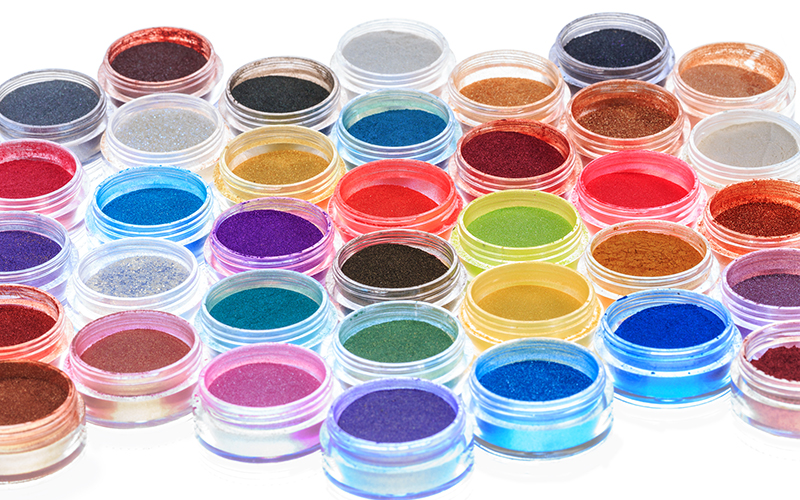
Color additives in cosmetics continue to be a difficult topic. Blended cosmetics are especially problematic. Keeping your products legal requires diligence and an understanding of color additives and the regulations.
-

Making Cosmetics in Nevada (Archived)
Nevada is one of the states that requires cosmetic manufacturers to register, get inspected and pay fees.
-
California Cosmetic Regulations Updated
Two bills concerning cosmetic manufacturing in California have been working their way through the legislative process. California Governor Jerry Brown signed AB 2775 on Sept 14th, 2018, and SB 1249 went to the Governor on September 12th. What does it mean for handcrafted cosmetics? AB 2775 – Professional Cosmetic Labeling California AB-2775 requires that all cosmetics
-
Are Your Product Claims Fake News?
You may have heard that Google, Facebook and other social media sites are trying to figure ways to weed out fake news before it makes its way into the wild. That they are using a combination of artificial intelligence, computer algorithms, and live human reviews to decide what’s real and what’s fake. That they have
-
Making Cosmetics in Connecticut
Connecticut requires that Cosmetic Manufacturers get licensed. Licensing requires an inspection that is primarily focused on Good Manufacturing Practices.

Helping you understand soap and cosmetic regulations — in plain English.