-
Getting UPC Codes on Your Labels
One of the things that you often see on soap and cosmetic labels are bar codes. They are not required by regulation, but can make a big difference in where and how your products can be sold. Many of the large stores or retail chains use UPCs (“Universal Product Codes”) on all their products, both
-
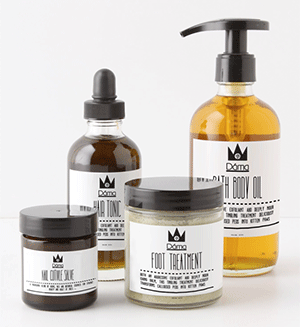
Packaging & Labeling – More Than Just the Requirements
When we talk about soap and cosmetic labeling, very often the discussion is about the regulations and the requirements. It’s true that the package label must contain very specific elements, but what about the rest of the label content? What about the “labeling,” defined as the materials and text that goes with the product (like
-
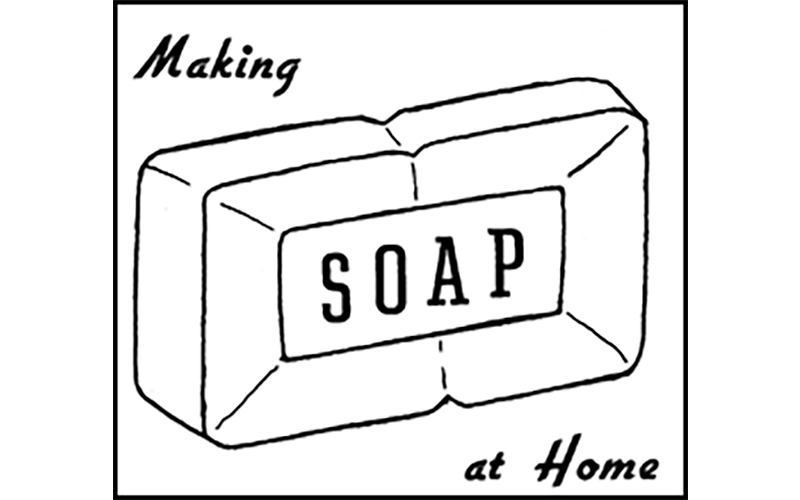
Making Soap, 1955 Style
I recently found a marvelous brochure, Making Soap at Home from February, 1955. Prepared by Irene Crouch, Extension Agent Home Management, and published by the Extension Service (North Dakota), this little document outlines how to make soap at home. “A thrifty housewife can save many dollars a year by making soap of good quality.”
-
Quick Labeling FAQ Updated
I’ve just updated the Quick Labeling FAQ on my website. It’s easier to follow, covers the basics more clearly and is updated to take into account recent changes made to the FDA website.
-

Insect Repelling Soap and Cosmetics
Updated September 25, 2017 Several people have asked me recently about soaps and cosmetics that repel insects. What are the regulations and how do they get labeled? Once there’s a “pesticide” claim (that is, that the product repels insects), the product falls under the jurisdiction of the EPA, under the authority of the Federal Insecticide,
-

What About “Natural”?
Can you call a cosmetic product “natural?” And what does that really mean, anyway? Nowadays, there are so many products of all types being marketed as “natural” it’s getting crazy! I recently saw some piece of furniture marketed as “natural” because it was made (mostly) of wood. Where does it end? The first thing to know
-
FDA Cosmetic Website Updated
The FDA recently (2014) updated the cosmetic section of their website and added some new pages that clarify regulations, particularly for small manufacturers of soap and cosmetics.
-
Ingredient Names From 1977 Still Good?
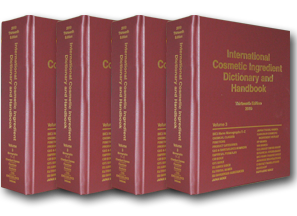
The Code of Federal Regulations specifies where to find the names by which cosmetic ingredients should be identified in the ingredient declaration on a cosmetic. First are any names “established by the Commissioner” (there are a few) and then the CTFA Cosmetic Ingredient Dictionary, Second Ed., 1977. After some searching, I was finally able to
-
Ingredient Name in a Product Name
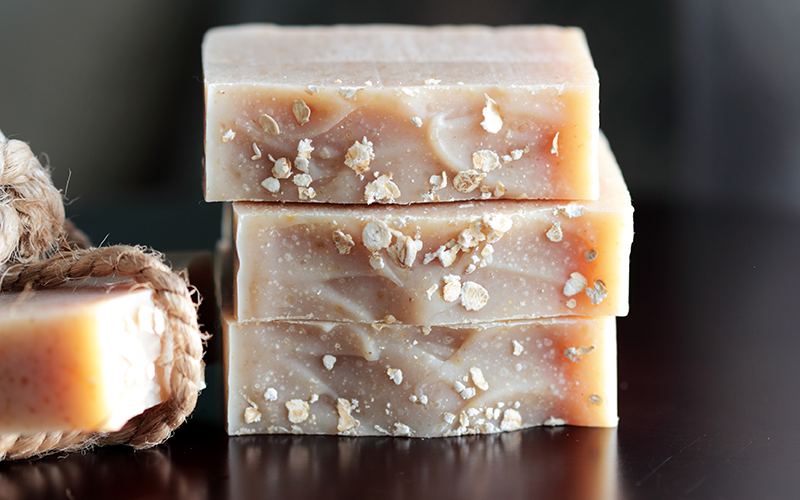
FDA regulations that prohibit the use of the name of one ingredient in the name of the product (if it has two or more ingredients)
-
Getting Back in the Groove
They say that when you fall off a horse, the best thing is to get right back on. The rationale is that the longer you delay, the harder it is to overcome any fear you have from falling off in the first place. In other words, you lose your groove. Well, I can tell you
-
More on “Lip Balm”
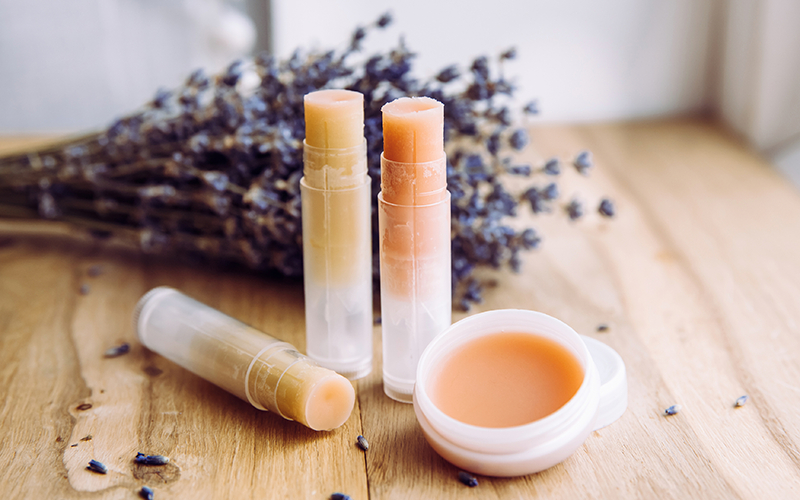
Last year (2012) I wrote a post (on “Drug Claims and Lip Balm“) which discussed the use of the phrase “lip balm” as the identity of a product. Unlike “lipstick” or “lip gloss,” the specific term “lip balm” is cited in the over-the-counter drug monograph for “skin protectants” as one of the approved ways to
-

FDA Issues New Draft of Cosmetic Good Manufacturing Practices Guidelines
The FDA recently announced that they have issued a new draft guidance on good manufacturing practices for cosmetic products. This new draft is an update to the existing “Cosmetic Good Manufacturing Guidelines/Inspection Checklist“. According to the Introduction: “This document provides guidance to industry and other stakeholders on the FDA’s current thinking concerning what constitutes Good

Helping you understand soap and cosmetic regulations — in plain English.