

Hi, I’m Marie Gale.
For over 20 years I’ve been researching and following the world of laws, regulations, standards and guidelines for the handcrafted soap and cosmetic industry. What started as a personal quest to understand soap and cosmetic labeling for my own products has grown into a deep understanding of the myriad of requirements that handcrafted soap and cosmetics makers are subject to.
My personal passion to assist others to understand and follow the labeling and other requirements grew out of all that research. If I had my way, no handcrafter would ever experience the stress and heartache of unwittingly running afoul of the the laws and regulations.
There is peace of mind in knowing that you are compliant with the applicable regulations. That’s what this blog has always been about, and that isn’t changing.
Compliance Advisor
Finding ways to help others easily and affordably is also why I built Compliance Advisor.
That’s where I’ve put what I know into tools you can use any time: a label check, a fragrance allergen checker and an ingredient declaration builder. Subscribers also get Ask Marie for the questions the tools don’t cover, monthly Office Hours with me on Zoom, and a library of past calls, worksheets and reference material. It’s also where you’ll find a Label Quick Check, details on my consulting, and the free MoCRA Wizard.
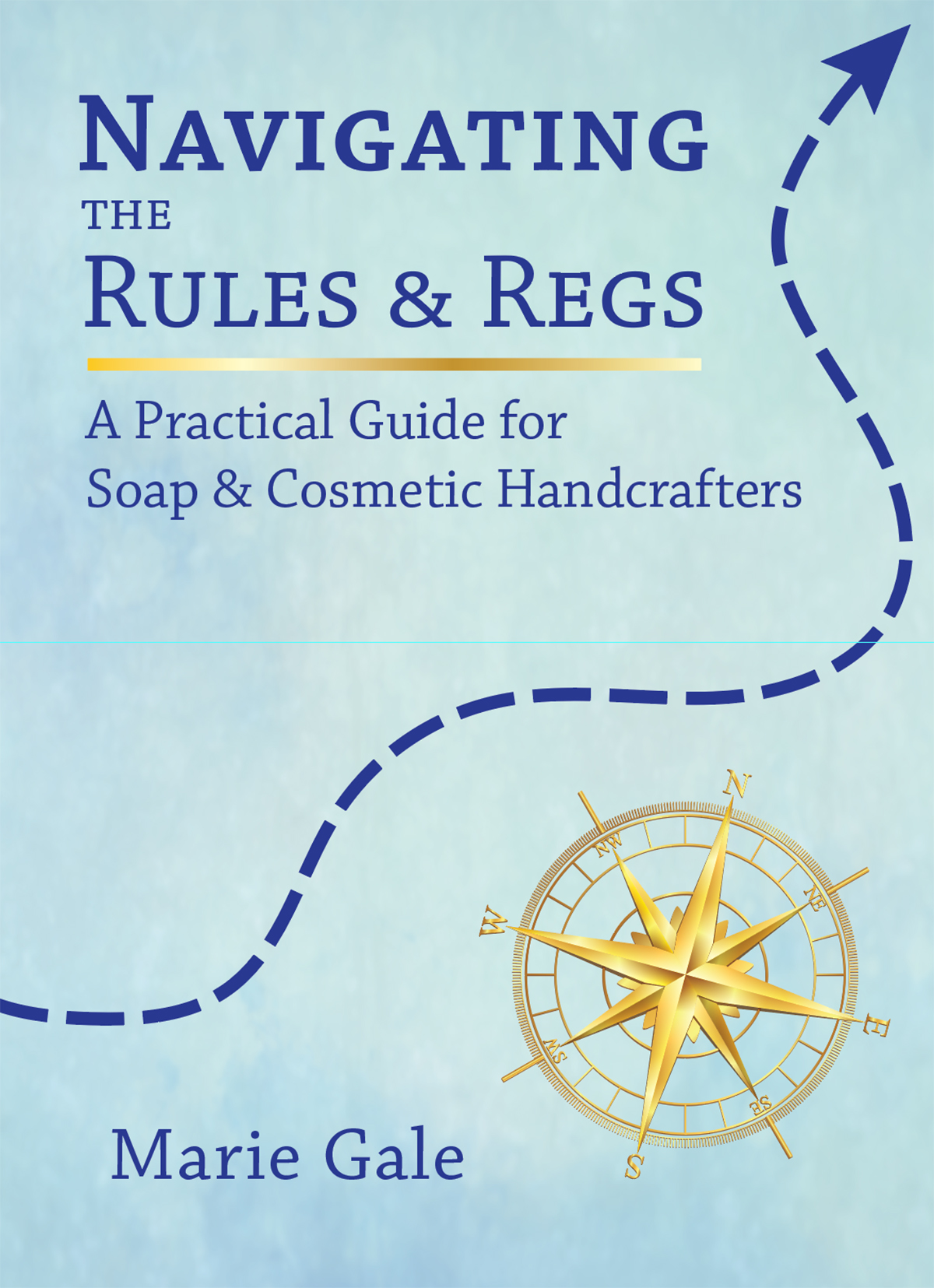
Whether you know it or not, you’ve been an invaluable resource for me throughout our years in business as I’ve relied on your many books whenever I have questions. I’ve recently purchased “Navigating the Rules & Regulations” and am going through it with tabs & a highlighter and am learning more than I ever expected. — Julia
Latest blog articles
-

Cause Marketing for the Holiday Season
The holiday shopping season is a perfect time to showcase your products AND your values. That makes cause marketing an appealing option for both customers and marketers.
-
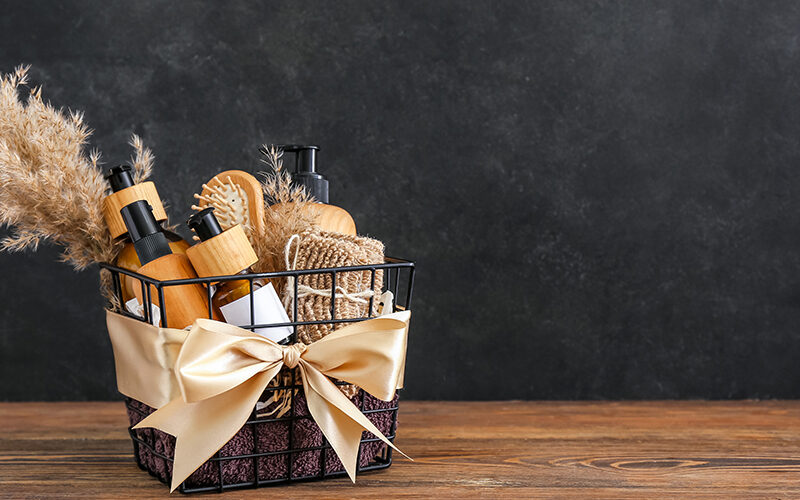
Labeling: Gift Baskets & Sets
Gift baskets are great product opportunities, but they have label requirements, just like any other product.
-
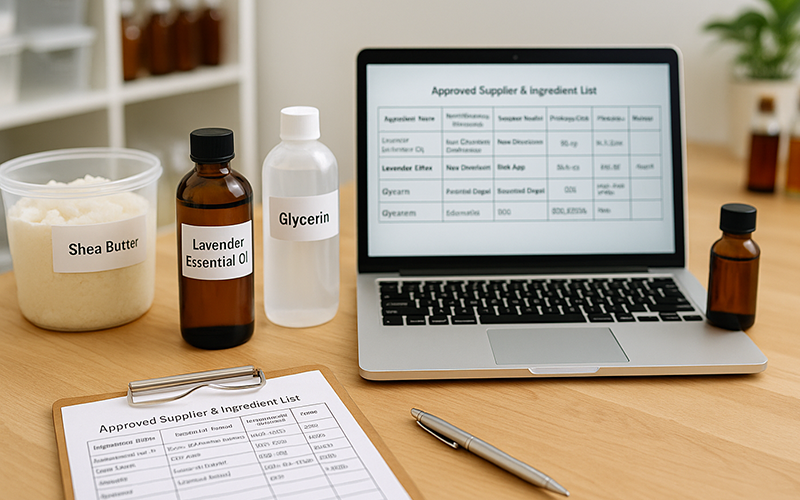
GMP: Tracking Ingredients
Tracking ingredients through every step — from specifications and suppliers to receiving and use — is a core part of GMP. Here’s how to make it simple, sustainable, and fit into your workflow.
-

“Bug-Off” Soaps and Lotions Are Pesticides
“Bug-off” soaps and lotions may look like skincare, but if they claim to repel insects, they’re regulated as pesticides—even when made from safe, natural ingredients.
-

Handcrafted Sunscreen? Nope.
Sunscreens are OTC drugs and must meet ingredient, testing, and manufacturing requirements. Non-sunscreens for use when tanning require a warning label.
-

Good Manufacturing Practices: What’s the Point?
You might wonder, What’s the point of going to all the trouble of following good manufacturing practices? After all, your products are great, right?
-

Alcohol in Cosmetics
Ethyl, denatured, or isopropyl — what’s really in your product? Not all alcohols are the same, and they have different regulations and labeling requirements.
-

Safety Substantiation: What it Means (and How To Do It)
Before MoCRA, a cosmetic product was supposed to be safe, but there was no requirement for proof of its safety. Now proof is required.
-
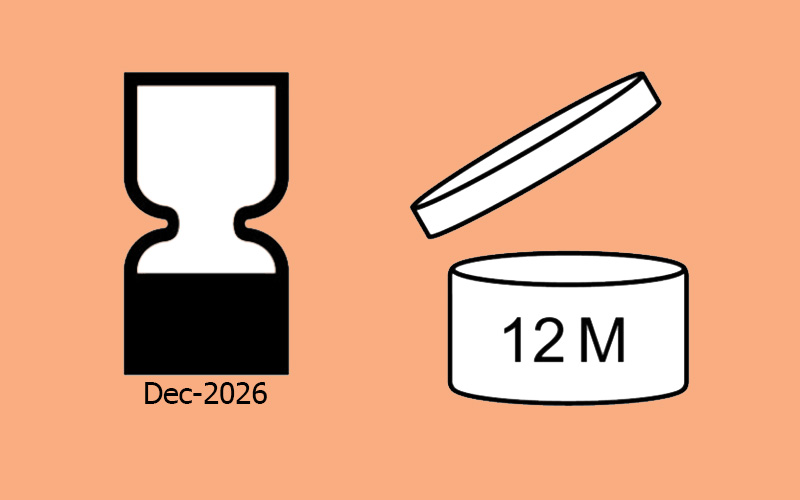
Using the Open Jar and Hourglass Symbols
The open jar and hourglass symbols appear on many cosmetic labels—but in the U.S., they’re often misunderstood or misused. Here’s what they actually mean.
-

Glass vs. Plastic: Which Wins?
Choosing between glass and plastic isn’t just about looks. Explore the real trade-offs in sustainability, cost, safety, and perception — and find what fits your products best.
-
Incidental Ingredients: Declare or Not?
Incidental ingredients are trace materials with no function in a cosmetic. Here’s when you can omit them—and why transparency still matters.
-
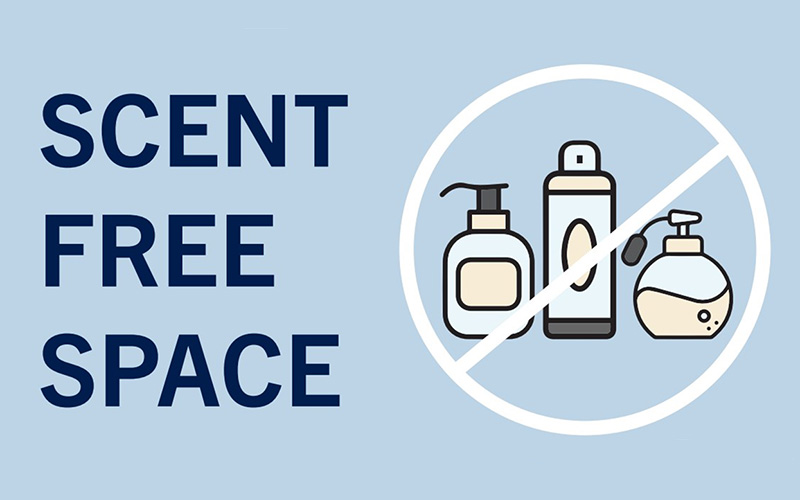
Scented Products: Asset or Risk?
Fragrance can attract or repel customers. Learn how to choose balanced scents, respect scent-free policies, and offer fragrance-free options for wider customer appeal.
Books