-
FDA Warning Letters 2021
I’ve been receiving a lot notices of FDA warning letters, so I reviewed the last 106 warning letters (60 days) to see what sort of warnings they have been sending out lately. Here’s the breakdown of the types of products cited (in descending order). Unapproved New Drugs Warning letters concerning cosmetics are usually found under
-
Ingredient Declarations for Soap (US Only)
Is an ingredient declaration required on your soaps? Let’s take a look!
-
Florida – 2021-Changes to Cosmetic Manufacturers Law
The laws for cosmetic manufacturers in Florida have been updated and now include a small business exemption!
-
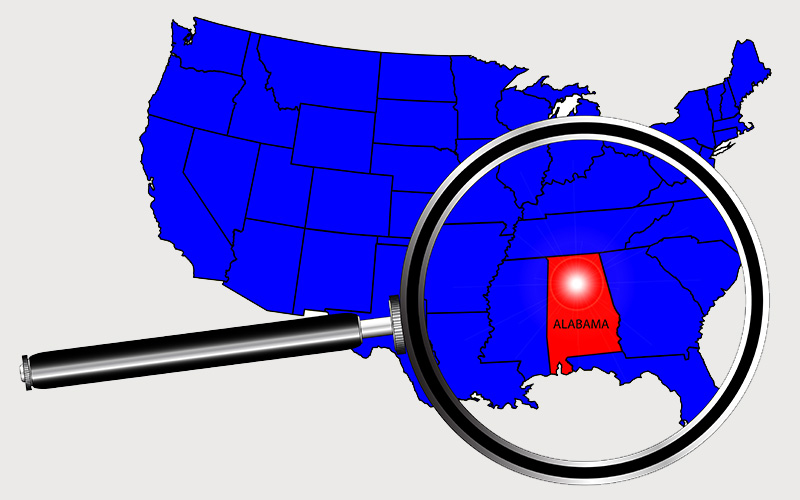
Making Cosmetics in Alabama
There don’t appear to be any regulations covering the manufacture of soap or cosmetics that differ from the federal regulations. In other words, there is no pre-approval or registration required.
-
Making Cosmetics in Pennsylvania
Pennsylvania has requirements for cosmetic manufacturers, including registration.
-
Label Review – Trader Joe’s Foam Soap (Video)
Let’s check out the package and label of a bottle of Trader Joe’s Botanical Bounty Foaming Hand Soap!
-

Herbal Entrepreneur Conference 2021
I am so honored to be included in this year’s Herbal Entrepreneur Conference being held virtually March 21 – March 27th! This is the 3rd such annual conference. My session, “What You Need To Know About Labelling Herbal Products” will be on March 23rd at 11AM (PST).
-
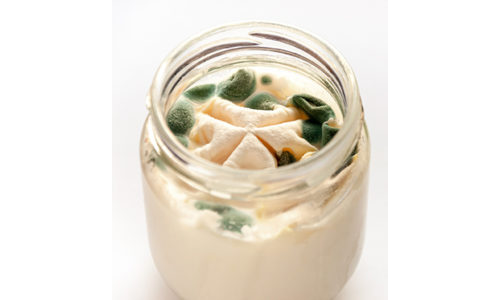
What does ADULTERATED mean?
In the US, you can make cosmetics without getting prior approval of the product, the ingredients, or the formulation. What you can’t do is sell (or put out for sale) a product which is adulterated or misbranded. That’s illegal. Most states have also adopted a similar law, so it is illegal at the state level
-
What is the PRINCIPAL DISPLAY PANEL?
In labeling, the size and placement of the principal display panel determines where certain information must be placed and what size the text must be. Key Words to Know Principal Of a thing: first, chief, most important. Display Panel A separate or distinct part of a surface on which information can be shown. Which brings
-
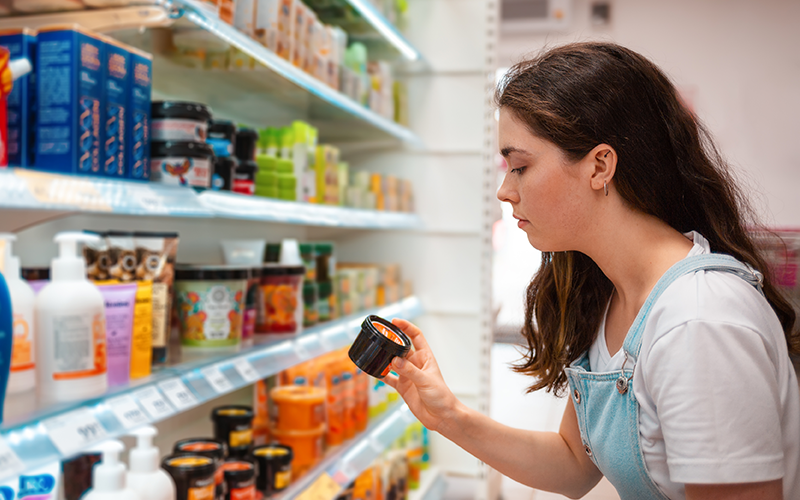
Cosmetic vs Non-Cosmetic Label Requirements
Cosmetics and non-cosmetics have the same BASIC label requirements — but there are a few differences.
-
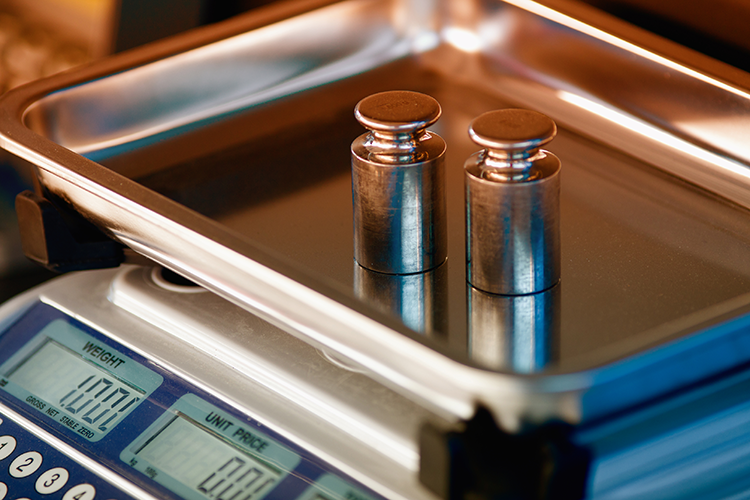
Net Contents – Weight and Volume
The net contents is required on all products. There are two different ways to measure products for sale – by volume and by weight.
-
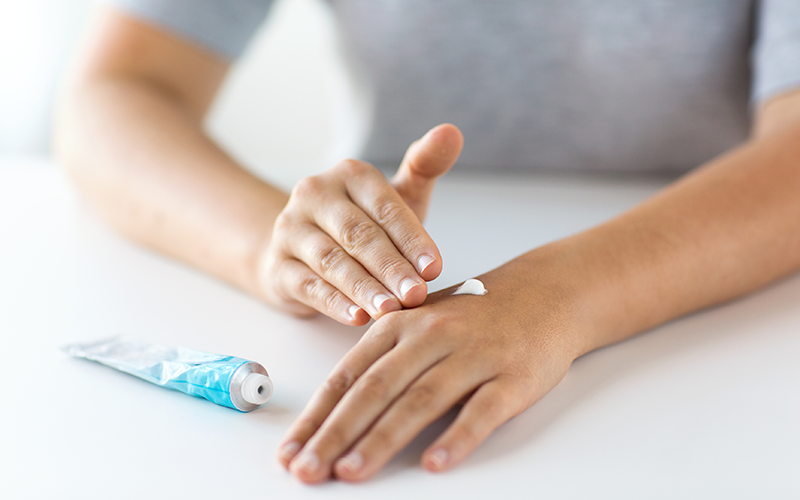
What is a DRUG?
Drugs of all types are around us every day. There are a number of different ways to define a “drug”. Here we’re going to take a look at the legal definition of “drug” and how it applies when you are making handcrafted soap and cosmetics (or other products). The regular English word drug comes from

Helping you understand soap and cosmetic regulations — in plain English.